Hazel Irvine: The Enduring Voice of British Sport and a Trailblazer in Broadcasting

Introduction
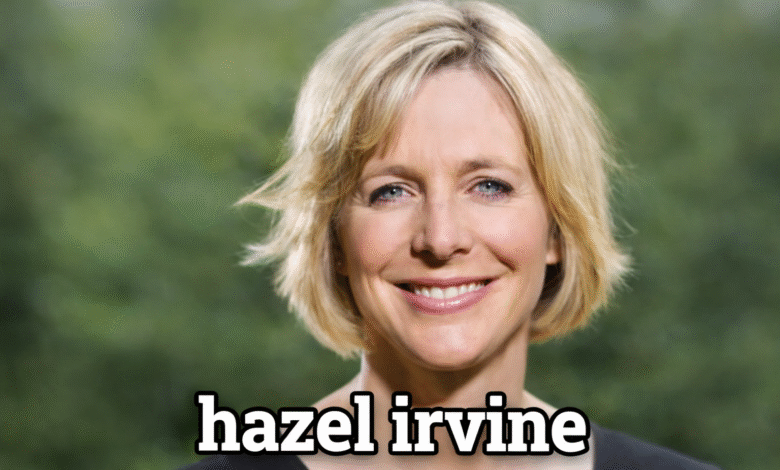
Hazel Irvine is one of the most recognisable and trusted faces in British sports broadcasting. Calm under pressure, articulate on the biggest stages, and consistently professional, she has spent decades guiding audiences through some of the world’s most important sporting moments. Her career reflects both remarkable longevity and quiet authority. While she has avoided controversy and celebrity excess, the demanding nature of live sport broadcasting has brought its own pressures and challenges. Even so, Hazel Irvine remains widely respected for her integrity, knowledge, and dedication to her craft.
Quick Bio
| Field | Details |
|---|---|
| Full Name | Hazel Jane Irvine |
| Date of Birth | 24 May 1965 |
| Birthplace | St Andrews, Fife, Scotland |
| Nationality | British (Scottish) |
| Profession | Sports Broadcaster, Television Presenter |
| Education | MA in History of Art, University of St Andrews |
| Years Active | 1986–present |
| Known For | BBC Sport, Olympic Games, Snooker, Golf |
Early Life and Background
Hazel Irvine was born in St Andrews, a town globally associated with golf and sporting heritage. Growing up in Scotland, she was immersed in an environment where sport formed a natural part of everyday life. This early exposure played a subtle but important role in shaping her future interests and career direction.
From a young age, she demonstrated both academic focus and sporting enthusiasm. Unlike many broadcasters who enter the industry through journalism alone, Hazel Irvine balanced intellectual curiosity with practical sporting experience, a combination that later became central to her presenting style. Her upbringing encouraged discipline, preparation, and respect for tradition, qualities that would later define her professional reputation.
Education and Academic Foundations
Hazel Irvine was educated at Hermitage Academy in Helensburgh before going on to study at the University of St Andrews. She graduated with a Master of Arts degree in History of Art, a subject that sharpened her analytical thinking, communication skills, and appreciation for cultural context.
During her university years, she was also an active sports participant, competing in golf, netball, and athletics. This dual focus on academics and sport set her apart from many of her peers. While an arts degree may seem distant from sports television, it helped develop the clarity, structure, and storytelling ability that later became hallmarks of her broadcasting career.
Start of Career in Broadcasting
Hazel Irvine began her professional journey in 1986 at Radio Clyde in Glasgow. Working initially behind the scenes, she learned the mechanics of broadcasting from the ground up. This early experience gave her a strong technical foundation and an understanding of production that many on-screen presenters lack.
She soon moved into television with Scottish Television, where she worked as a continuity announcer and sports presenter. These early roles were demanding and required adaptability, confidence, and resilience. While progress was not instant, her steady professionalism allowed her to build credibility in a competitive and often male-dominated environment.
Rise at the BBC
In 1990, Hazel Irvine joined BBC Scotland, presenting the sports programme Sportscene. This move marked a turning point in her career, bringing national visibility and larger responsibilities. Her breakthrough came in 1993 when she became the youngest presenter of the BBC’s flagship sports programme, Grandstand.
This achievement was both a positive milestone and a professional test. The scrutiny that came with such a high-profile role was intense, yet Hazel Irvine handled it with composure. Her calm delivery, strong preparation, and respect for the sport itself earned trust from audiences and colleagues alike.
Major Sporting Events and Career Highlights
Over the decades, Hazel Irvine has presented coverage of the world’s most prestigious sporting events. She has been a familiar presence at the Summer Olympic Games since 1992, guiding viewers through moments of triumph, disappointment, and global unity.
Her work also includes extensive coverage of the Commonwealth Games, as well as long-term involvement in snooker and golf broadcasting. These roles required not only factual accuracy but also sensitivity to athletes, audiences, and the traditions of each sport. While live broadcasting carries unavoidable pressure and occasional criticism, her consistent delivery has been widely praised.
Professional Style and Broadcasting Strengths
Hazel Irvine’s presenting style is defined by clarity, balance, and restraint. She avoids sensationalism, focusing instead on context and accuracy. This approach has sometimes been criticised as understated, yet it is precisely this quality that has sustained her credibility over decades.
Her Scottish accent, softened for national broadcasting, adds authenticity without overshadowing content. She is known for thorough preparation and respect for both athletes and viewers. In an era of rapid media change, her steady presence has become increasingly valued.
Work Beyond Live Broadcasting
In addition to television presenting, Hazel Irvine has undertaken roles as a media trainer, conference host, and public speaker. These activities allow her to share professional insights with organisations beyond sport. Rather than building commercial ventures or companies, she has focused on skill-based professional work aligned with her expertise.
This choice reflects a career driven more by craft than by branding. While this may limit commercial visibility, it reinforces her reputation for authenticity and focus.
Recent Work and Public Recognition
In recent years, Hazel Irvine has continued to appear in major BBC sports coverage, including global multi-sport events. Her contributions have been formally recognised through national honours and industry awards celebrating long-term service and excellence.
These acknowledgements highlight not sudden success, but decades of sustained contribution. They also reinforce her position as a senior and influential figure in British sports media.
Legacy and Impact
Hazel Irvine’s legacy lies in consistency, professionalism, and quiet leadership. She helped normalise the presence of women in elite sports broadcasting without relying on controversy or spectacle. While her career has not been without pressure, its overall impact has been positive and enduring.
She stands as an example of how credibility is built over time. For aspiring broadcasters, her journey shows that preparation, resilience, and respect for the audience matter more than fleeting fame.
Conclusion
Hazel Irvine represents the best of traditional sports broadcasting in a rapidly changing media world. Her career combines achievement and restraint, visibility and humility. While the industry continues to evolve, her contribution remains a benchmark for professionalism, proving that authority and longevity are earned through consistency rather than noise.
Frequently Asked Questions
Who is Hazel Irvine?
Hazel Irvine is a Scottish sports broadcaster best known for her long-running work with BBC Sport, including coverage of the Olympic Games and major sporting events.
Where was Hazel Irvine born?
She was born in St Andrews, Fife, Scotland.
What is Hazel Irvine’s educational background?
She holds a Master of Arts degree in History of Art from the University of St Andrews.
What sports is Hazel Irvine best known for presenting?
She is widely recognised for presenting coverage of the Olympic Games, snooker, golf, and multi-sport events.
Why is Hazel Irvine considered influential?
She is regarded as influential due to her long-term consistency, professionalism, and role in shaping modern sports broadcasting standards.