Natasha Jonas: The Fearless Pioneer Who Changed British Women’s Boxing Forever

Introduction
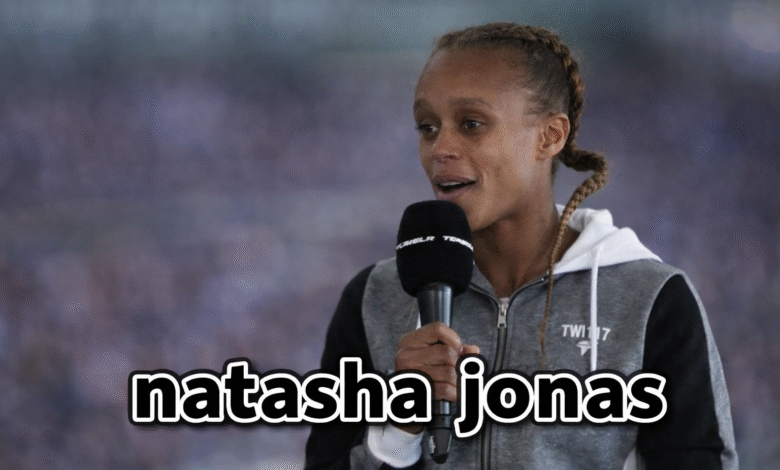
Natasha Jonas is one of the most influential figures in the history of British women’s boxing. Her journey is defined by courage, late beginnings, and an unbreakable will to compete at the highest level. From Liverpool gyms to Olympic arenas and world-title nights, her career reflects both the rewards and the brutal honesty of elite sport.
Her story is powerful because it is not perfect. Jonas has experienced landmark victories and painful defeats, moments of national celebration and nights of disappointment. Together, these highs and lows form the legacy of a fighter who did more than win belts—she opened doors for generations to come.
Quick Bio
| Detail | Information |
|---|---|
| Full Name | Natasha Paula Jonas |
| Date of Birth | 18 June 1984 |
| Age | 41 (as of 2025) |
| Birthplace | Liverpool, England |
| Nationality | British |
| Height | 5 ft 8 in (173 cm) |
| Boxing Stance | Southpaw |
| Professional Record | 20 fights: 16 wins, 3 losses, 1 draw |
| Olympic Appearance | London 2012 |
| World Titles | Multi-weight world champion |
Early Life and Background
Natasha Jonas was born and raised in Liverpool, a city known for producing resilient athletes. Before boxing entered her life, her first sporting love was football. She pursued that dream seriously and even earned a football scholarship in the United States, showing early signs of elite athletic ability and discipline.
An injury ended her football ambitions, forcing a difficult but defining pivot. Returning to the UK, Jonas rebuilt her sporting identity. That setback later became a strength, as it shaped the mental toughness that would define her boxing career and separate her from many of her peers.
Education and Life Beyond Sport
After returning from the United States, Jonas continued her education, studying media-related subjects in the UK. Alongside her studies, she worked in public service and youth-focused roles, gaining real-world experience beyond competitive sport.
This period grounded her identity outside boxing. It helped her develop communication skills and a sense of social responsibility—qualities that later made her a respected voice in media, mentorship, and leadership roles within boxing.
The Start of a Boxing Career
Jonas began boxing in 2005, an unusually late age for a future world champion. What she lacked in early exposure, she made up for with rapid technical development, discipline, and an intense competitive mindset that caught the attention of national selectors.
Her progress was remarkable. Within a few years, she was dominating at domestic level, proving that late starters could still reach the elite if given opportunity, structure, and belief.
Amateur Success and Olympic History
As an amateur, Jonas won multiple national titles and represented Great Britain at major international tournaments. Her biggest breakthrough came in 2012 when she became the first British woman to qualify for Olympic boxing.
Competing at the London Olympics, she won her opening bout before losing to an eventual champion. While she did not medal, her presence alone changed the landscape of women’s boxing in Britain, turning possibility into reality for future athletes.
Turning Professional
In 2017, Jonas turned professional, entering a far more visible and commercially demanding stage of boxing. Her transition was steady rather than explosive, marked by learning fights and gradual progression rather than rushed title shots.
Early setbacks tested her resolve. Losses and close fights sparked criticism, but they also sharpened her skills and reinforced her reputation as a fighter willing to face the best rather than protect an unbeaten record.
World Titles and Career Peak
Jonas reached the pinnacle of the sport in her late thirties, winning world titles across multiple weight divisions. These victories were historic, proving longevity and experience could rival youth and hype in elite boxing.
Her championship reigns were built on intelligence, adaptability, and composure under pressure. At a stage when many athletes retire, Jonas delivered the strongest performances of her career, redefining expectations around age in women’s boxing.
Defining Fights and Setbacks
High-profile bouts against elite opponents brought both acclaim and defeat. Some losses, particularly in major title fights, reminded audiences of boxing’s unforgiving nature, where margins are slim and outcomes are final.
Rather than damaging her reputation, these defeats enhanced it. Jonas earned respect for consistently challenging the strongest competition, accepting risk as part of greatness rather than avoiding it.
Professional Record and Style
Jonas finished her professional career with 20 fights, recording 16 wins, 3 losses, and 1 draw. Her southpaw stance, sharp counterpunching, and tactical awareness defined her ring style.
She was not known as a reckless knockout artist, but as a composed technician capable of controlling distance and tempo. This cerebral approach allowed her to succeed against a wide range of opponents.
Leadership and Influence in Boxing
Beyond fighting, Jonas made history by becoming the first Black woman in the UK to receive a professional boxing manager’s licence. This milestone expanded her influence from competitor to decision-maker within the sport.
Her presence in leadership roles challenges long-standing barriers in boxing governance. It signals a shift toward greater inclusion and representation at levels traditionally closed to women.
Latest Career Chapter
In 2025, Jonas suffered a high-profile defeat in a welterweight unification bout at the Royal Albert Hall. The loss marked a turning point and sparked conversations about retirement and legacy.
Rather than diminishing her career, this final chapter highlighted her bravery in taking on elite opposition until the end. She exited the ring as she entered it—challenging limits.
Legacy and Impact
Natasha Jonas’s legacy extends far beyond titles. She is remembered as the woman who carried British women’s boxing onto the Olympic stage and later proved that world championships were attainable.
Her journey inspires athletes who start late, face setbacks, or feel excluded from traditional pathways. Jonas transformed barriers into benchmarks and remains a symbol of progress in modern sport.
Conclusion
Natasha Jonas represents both the beauty and brutality of boxing. Her career includes triumphant nights and painful losses, but together they form a story of authenticity, courage, and lasting impact.
She did not simply succeed within the system—she changed it. That achievement secures her place not just in boxing history, but in British sporting culture.
Frequently Asked Questions
Who is Natasha Jonas?
Natasha Jonas is a British professional boxer, Olympic pioneer, and multi-weight world champion known for transforming women’s boxing in the UK.
When did Natasha Jonas compete in the Olympics?
She competed at the London 2012 Olympic Games, becoming the first British woman to box at the Olympics.
How many world titles has Natasha Jonas won?
She has held world titles in more than one weight division during her professional career.
What makes Natasha Jonas historically important?
Her Olympic breakthrough and later world championships paved the way for women’s boxing in Britain and beyond.
Is Natasha Jonas still involved in boxing?
Following her final major bouts, she remains influential through leadership roles and her broader impact on the sport.