sharron davies: A Fearless Champion Who Conquered the Pool and Challenged the System

Introduction
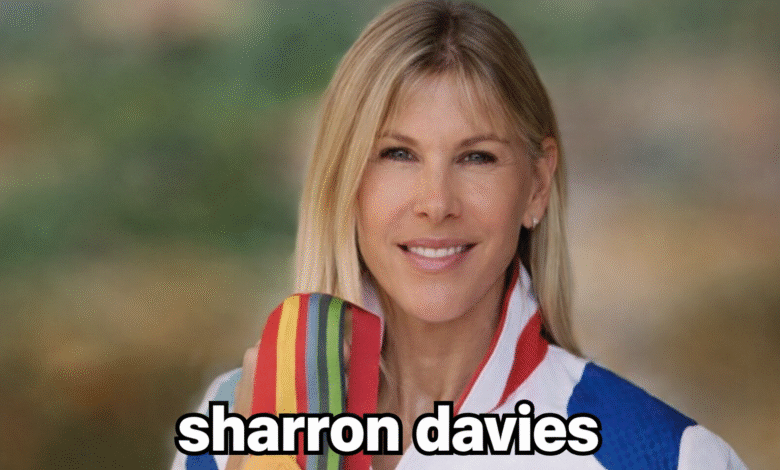
Sharron Davies is one of Britain’s most recognisable sporting figures, known not only for her extraordinary achievements in the swimming pool but also for her outspoken role in public debate long after retirement. Her story is defined by early brilliance, relentless discipline, and the emotional cost of elite sport, followed by a second career that placed her firmly in the national spotlight.
Loved by many for her honesty and criticised by others for her forthright opinions, Sharron Davies remains a figure who refuses to be ignored. Her life reflects both the rewards and the pressures of sporting excellence, as well as the reality that public voices, once earned, carry lasting responsibility.
Quick Bio
| Field | Details |
|---|---|
| Full Name | Sharron Elizabeth Davies MBE |
| Date of Birth | 1 November 1962 |
| Birthplace | Plymouth, Devon, England |
| Nationality | British |
| Profession | Former Olympic Swimmer, Broadcaster, Speaker |
| Olympic Medal | Silver (1980, 400m Individual Medley) |
| Education | Plymstock Comprehensive School; Kelly College (Mount Kelly) |
| Marital Status | Divorced |
| Children | Three |
| Honours | Member of the Order of the British Empire (MBE) |
Early Life and Background
Born in Plymouth, Sharron Davies grew up in a disciplined household where structure and commitment were central values. She was introduced to swimming at an extremely young age, and it quickly became clear that her physical ability and competitive drive were exceptional.
By the time most children were learning basic techniques, she was already training at a level that demanded adult-level focus. This early immersion into elite sport shaped her identity, but it also limited the freedoms of a typical childhood, a trade-off she has spoken about candidly in later years.
Education and Formative Years
Balancing education with elite training was a challenge that required careful planning. Davies attended Plymstock Comprehensive School before moving to Kelly College, an institution known for supporting young athletes alongside academic study.
This dual-track upbringing reinforced discipline and time management but also intensified pressure. The expectation to succeed academically while representing her country at international level placed emotional and physical demands on her long before adulthood.
Start of Her Swimming Career
Sharron Davies made history by representing Great Britain internationally at just 11 years old. This remarkable achievement set the tone for a career defined by early success and constant scrutiny.
Her rapid rise through national and international competitions demonstrated technical excellence in individual medley events. However, the speed of her ascent also meant she matured in public, learning resilience under relentless expectation rather than gradual development.
Olympic and Competitive Achievements
Her Olympic debut came at the 1976 Montreal Games when she was only 13, making her one of the youngest British Olympians in history. This exposure to the world stage so early brought experience few athletes ever gain.
The defining moment of her competitive career arrived at the 1980 Moscow Olympics, where she won silver in the 400m individual medley. While the medal remains a symbol of excellence, it also represents unresolved controversy that shaped her later advocacy and views on fairness in sport.
Retirement and Return to Competition
Davies initially retired from competitive swimming at just 18, citing exhaustion and the toll of elite sport. This decision highlighted the intensity of her early career and the emotional cost of prolonged high-pressure performance.
Years later, she made a remarkable return, competing again at international level and winning further medals at the Commonwealth Games. This comeback reinforced her reputation for determination and resilience, proving her success was not limited to youth alone.
Broadcasting and Media Career
After retiring from competition, Davies transitioned into broadcasting, becoming a familiar face and voice on British television. Her work as a sports commentator allowed her to bring athlete insight into mainstream coverage, particularly in swimming and Olympic events.
This new role broadened her public influence but also exposed her to a different kind of scrutiny. Media work required diplomacy and clarity, skills she developed while maintaining her reputation for directness and honesty.
Public Advocacy and Controversy
In later years, Sharron Davies became a prominent voice in debates surrounding women’s sport and competitive fairness. Her outspoken stance earned strong support from some and intense criticism from others.
This phase of her life demonstrates both the power and risk of public advocacy. While her supporters see principled courage, critics view her approach as divisive, underscoring how legacy can evolve long after medals are won.
Personal Life and Family
Away from public life, Davies is a mother of three and has spoken openly about the challenges of balancing family, career, and public responsibility. Her personal experiences have influenced her views on resilience and independence.
Her life beyond sport reflects complexity rather than perfection, shaped by marriage, divorce, and parenthood. These experiences add depth to her public persona, reminding audiences that elite athletes face the same life struggles as others.
Career Overview and Professional Identity
Sharron Davies’ career spans elite sport, broadcasting, public speaking, and advocacy. Each phase builds on the discipline and confidence forged in competitive swimming.
Rather than retreat quietly after retirement, she remained engaged in public life, redefining success beyond medals. This sustained relevance sets her apart from many former athletes whose influence fades after competition ends.
Legacy and Public Perception
Her legacy is multifaceted: an Olympic medallist, a trailblazer for women in sport, and a polarising public figure. These elements coexist, reflecting the complexity of modern sporting icons.
While opinions about her advocacy may differ, her impact on British sport is undeniable. She remains a reference point in discussions about athletic integrity, fairness, and the long-term welfare of competitors.
Conclusion
Sharron Davies’ life story is one of brilliance earned early, pressure endured deeply, and influence sustained long after competition ended. She embodies both the triumph and the cost of elite sport, as well as the courage to speak openly in the face of criticism.
Her journey shows that true legacy is not limited to medals but shaped by conviction, resilience, and the willingness to engage with difficult conversations long after the applause fades.
Frequently Asked Questions
Who is Sharron Davies?
Sharron Davies is a British former Olympic swimmer, silver medallist, broadcaster, and public speaker known for her achievements and advocacy in sport.
What Olympic medal did Sharron Davies win?
She won a silver medal in the 400m individual medley at the 1980 Olympic Games.
What is Sharron Davies known for today?
Today, she is known for sports broadcasting, public speaking, and her outspoken views on fairness in women’s sport.
Did Sharron Davies retire early from swimming?
Yes, she initially retired at 18 due to the pressures of elite sport but later returned to international competition.
Why is Sharron Davies a controversial figure?
Her strong public positions on sports policy have sparked debate, making her both widely supported and criticised.