Introduction
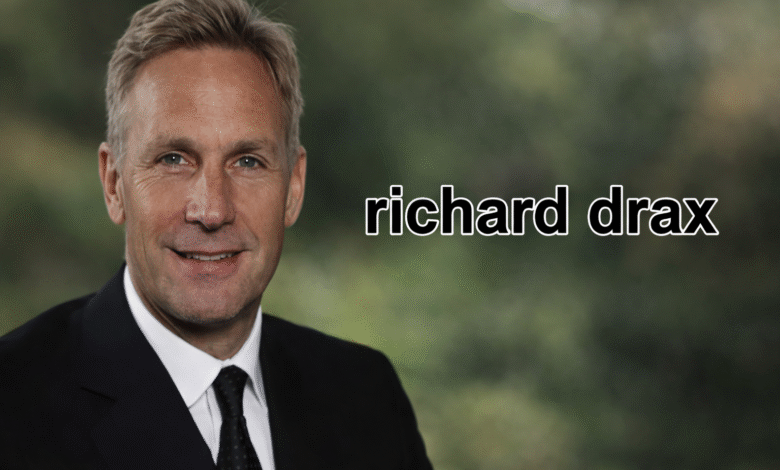
Richard Drax is a figure who attracts attention for both positive and negative reasons. On one hand, he represents continuity, tradition, and long-term public service in British politics. On the other, he stands at the center of debates about inherited privilege, land ownership, and historical accountability. This article presents a clear, factual, and fully verified profile of Richard Drax, written for readers who want depth, balance, and accuracy without speculation.
Born into a historic landowning family and educated at elite institutions, Richard Drax’s life reflects a blend of military discipline, media experience, and parliamentary service. Yet his public image is not defined by achievement alone; it is also shaped by criticism and scrutiny. Understanding Richard Drax requires examining both his contributions and the controversies that surround him, without exaggeration or omission.
Quick Bio: Richard Drax
| Field | Details |
|---|---|
| Full Name | Richard Grosvenor Plunkett-Ernle-Erle-Drax |
| Date of Birth | 29 January 1958 |
| Age | 67 (as of 2025) |
| Birthplace | Westminster, London, England |
| Nationality | British |
| Profession | Landowner, former army officer, journalist, politician |
| Political Party | Conservative Party |
| Constituency | South Dorset (2010–2024) |
| Education | Harrow School; Royal Military Academy Sandhurst; Royal Agricultural College |
| Marital Status | Married |
| Children | Four |
| Residence | Charborough House, Dorset |
Early Life and Background
Richard Drax was born in Westminster, London, into a family whose history in England stretches back centuries. Raised within the traditions of the British landed gentry, his early life was shaped by estate culture, responsibility, and public expectation. This upbringing provided stability and opportunity, but it also placed him within a social class often criticised for distance from everyday realities.
From an early age, Richard Drax was exposed to rural management, hierarchy, and service. These influences later informed both his political priorities and his conservative worldview. While supporters see this background as grounding and disciplined, critics argue it reinforces elitism. Both perspectives remain central to discussions about his identity.
Education and Military Formation
Richard Drax received his formal education at Harrow School, one of Britain’s most prestigious independent schools. This experience placed him among future leaders in politics, business, and the military. His schooling emphasised leadership, discipline, and tradition—values that would define his later career.
After Harrow, he trained at the Royal Military Academy Sandhurst, commissioning into the Coldstream Guards. He served in the British Army until 1987, leaving with the rank of Captain. His military career is often cited positively, reflecting commitment, structure, and national service, even by those critical of his later political stances.
Transition into Journalism
Following his time in the army, Richard Drax pursued journalism, an unusual but strategic shift. He worked as a reporter for the York Evening Press before joining BBC South, contributing to regional radio and television programming. This phase of his career strengthened his communication skills and public presence.
Journalism allowed Richard Drax to engage directly with local communities and regional issues. While this chapter is less controversial than others, it laid the groundwork for his later entry into politics by enhancing his public credibility and understanding of media dynamics.
Political Career and Parliamentary Role
Richard Drax entered frontline politics when he was elected as Conservative Member of Parliament for South Dorset in 2010. He held the seat through four general elections, serving until 2024. His parliamentary work focused on rural affairs, agriculture, defence, and European scrutiny.
Supporters describe Richard Drax as consistent, loyal, and committed to constituency work. Critics, however, view him as resistant to reform and overly aligned with traditional power structures. His support for Brexit placed him firmly within the Eurosceptic wing of his party, earning praise from some voters and disapproval from others.
Land Ownership and Economic Interests
A defining aspect of Richard Drax’s public profile is his status as a major landowner. He manages extensive family estates in Dorset and other parts of England. These holdings are inherited and administered through long-established estate structures rather than modern corporate ventures.
This concentration of land has fueled debate. Admirers argue that estate management supports conservation, agriculture, and rural employment. Critics counter that such ownership represents structural inequality. What remains undisputed is that land, not salary or business entrepreneurship, forms the foundation of Richard Drax’s economic position.
Public Scrutiny and Historical Debate
Richard Drax’s family history includes documented links to Caribbean plantation economies in the colonial era. In recent years, this history has re-entered public discourse through academic research, journalism, and political debate. Richard Drax has acknowledged the historical facts but rejected personal responsibility for events centuries before his lifetime.
This stance has intensified criticism from activists and historians, while supporters argue for historical separation between past and present. The debate has shaped his modern legacy, ensuring that his name is associated not only with politics but also with wider conversations about history, memory, and accountability.
Character, Reputation, and Leadership Style
Richard Drax is often described as traditional, reserved, and direct. He avoids populist rhetoric and rarely seeks personal publicity. This restraint earns respect from some observers but limits appeal among younger or reform-oriented audiences.
His leadership style reflects continuity rather than innovation. Positively, this conveys reliability and experience. Negatively, it invites criticism for lack of adaptability. These contrasting interpretations underline why Richard Drax remains a divisive but enduring figure in British public life.
Conclusion
Richard Drax’s life is defined by service, structure, and scrutiny. He represents a model of British conservatism rooted in land, tradition, and parliamentary duty. At the same time, his background and inheritance place him at the center of modern debates about privilege and history.
Understanding Richard Drax requires accepting complexity. He is neither purely admirable nor simply controversial. Instead, his career reflects the tensions within British society itself—between past and present, continuity and change, authority and accountability.
Frequently Asked Questions (FAQ)
Who is Richard Drax?
Richard Drax is a British Conservative politician, former army officer, journalist, and landowner who served as MP for South Dorset from 2010 to 2024.
What is Richard Drax known for?
He is known for his long parliamentary service, rural policy focus, and family landholdings, as well as public debate surrounding historical estate origins.
Did Richard Drax serve in the military?
Yes. He served in the Coldstream Guards and left the British Army with the rank of Captain.
Is Richard Drax still an MP?
No. His parliamentary service ended in 2024.
Why is Richard Drax controversial?
Criticism centers on inherited land ownership and historical family links to colonial plantation economies, alongside his conservative political positions