Karol Nawrocki: Poland’s Historian-Turned-President – Navigating History, Leadership, and Controversy

Introduction
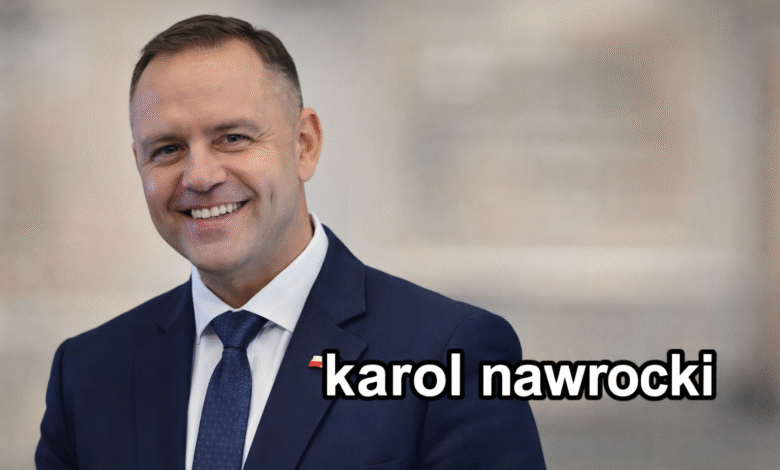
Karol Nawrocki stands as one of Poland’s most influential contemporary figures, combining scholarly rigor with public leadership. Known primarily for his work in preserving Polish history, Nawrocki has transitioned from a historian and director of major cultural institutions to the President of Poland. His rise demonstrates a unique blend of academic credibility and political ambition, offering both inspiration and debate among citizens and observers.
Despite his achievements, his journey has not been without scrutiny. Some critics question the political influences behind his presidential election and challenge aspects of his early career decisions. Nonetheless, Karol Nawrocki’s commitment to national history, education, and governance remains undisputed, making him a figure of significant relevance in Poland’s evolving political landscape.
Quick Bio of Karol Nawrocki
| Attribute | Details |
|---|---|
| Full Name | Karol Tadeusz Nawrocki |
| Date of Birth | 3 March 1983 |
| Age | 42 years |
| Birthplace | Gdańsk, Poland |
| Nationality | Polish |
| Occupation | Historian, Public Official, President of Poland |
| Education | MA in History, PhD in Humanities, International MBA |
| Spouse | Marta Nawrocka |
| Children | Three |
| Key Roles | President of Poland, President of IPN, Director of Museum of WWII |
Early Life and Education of Karol Nawrocki
Karol Nawrocki was born in Gdańsk, Poland, in 1983, into a family with deep cultural and civic roots. His father, Ryszard Nawrocki, worked as a turner, while his mother, Elżbieta Nawrocka, was a bookbinder. Growing up in a post-communist Poland, he developed a strong interest in national history and the political transformations shaping his country.
He pursued his education at the University of Gdańsk, earning both a Master’s degree in History and a PhD in Humanities. His doctoral research focused on social resistance during Poland’s communist era, reflecting his lifelong commitment to documenting and understanding historical struggles. Later, he enhanced his strategic and managerial skills with an International MBA in Strategy, Programme, and Project Management from Gdańsk University of Technology, blending historical scholarship with modern leadership competencies.
Academic and Professional Career
Karol Nawrocki’s career began in the Institute of National Remembrance (IPN), where he worked to preserve Poland’s complex history through research and education. From 2009 to 2017, he played a pivotal role in public education, developing programs that highlighted Poland’s fight against totalitarian regimes and ensuring younger generations understood the nation’s past.
His tenure at the Museum of the Second World War in Gdańsk (2017–2021) marked a transformative period in Polish cultural institutions. As Director, he modernized exhibitions, implemented educational initiatives, and made history more accessible to the public. While praised for innovation, some critics argued that certain interpretative decisions reflected political biases. Regardless, his work established him as a capable administrator and thought leader in cultural preservation.
Leadership at the Institute of National Remembrance
In July 2021, Nawrocki was elected President of the Institute of National Remembrance, Poland’s official institution dedicated to researching and prosecuting crimes of Nazi and communist regimes. His leadership emphasized public engagement, international collaboration, and historical transparency.
However, his aggressive approach to removing Soviet-era monuments sparked diplomatic tensions with neighboring countries, particularly Russia. While some hailed this as a bold assertion of national identity, others viewed it as unnecessarily confrontational. Nonetheless, these actions reinforced Nawrocki’s commitment to shaping Poland’s historical narrative and demonstrating the importance of confronting difficult legacies.
Presidency and Political Career
Karol Nawrocki’s entry into national politics culminated in his presidential candidacy supported by the conservative Law and Justice party in 2025. Running as an independent yet endorsed figure, he successfully won the presidency in a closely contested runoff election.
As President, Nawrocki has championed national sovereignty, historical education, and civic engagement. His presidency is praised for bringing a scholarly perspective to governance, yet critics argue that his alignment with certain political factions limits his perceived neutrality. Balancing these perspectives, Nawrocki’s leadership style merges intellectual authority with practical decision-making.
Achievements and Contributions
Karol Nawrocki’s achievements are both historical and contemporary. He has:
-
Elevated public understanding of Poland’s modern history through educational programs and publications.
-
Reformed key national institutions to make history more accessible to citizens and younger generations.
-
Advocated for Poland’s international position while maintaining a focus on national identity.
His work reflects a dedication to public service and historical integrity, earning him national and international recognition. At the same time, the challenges of navigating politics and history highlight the complexities inherent in such dual roles.
Challenges and Criticisms
Despite his accomplishments, Nawrocki has faced criticism. Some observers question the political motivations behind his rapid rise and note controversies related to early career decisions and property transparency. Others express concern over his confrontational stance on historical issues, fearing diplomatic repercussions.
These challenges underscore the difficult balance between historical preservation and political leadership. They also demonstrate that public figures, especially those who transition from academia to politics, must navigate scrutiny from multiple perspectives. Nawrocki’s career illustrates both the opportunities and pitfalls of such a trajectory.
Conclusion
Karol Nawrocki represents a unique convergence of scholarship, leadership, and political ambition. His work in preserving Polish history, reforming cultural institutions, and assuming the presidency highlights a commitment to both education and governance. While his journey is accompanied by controversy and scrutiny, it also showcases a leader dedicated to shaping the national narrative and fostering civic engagement.
As Poland continues to navigate historical memory and political evolution, Karol Nawrocki’s influence will remain significant. His story is both an inspiration to historians and a case study for those interested in the intersection of academia and political leadership.
Frequently Asked Questions (FAQ)
Q1: Who is Karol Nawrocki?
A1: Karol Nawrocki is a Polish historian, former director of the Museum of the Second World War, former President of the Institute of National Remembrance, and the current President of Poland.
Q2: What is Karol Nawrocki’s educational background?
A2: He holds a Master’s degree in History and a PhD in Humanities from the University of Gdańsk, along with an International MBA in Strategy from Gdańsk University of Technology.
Q3: What roles did Nawrocki hold before becoming President?
A3: He led the Institute of National Remembrance and the Museum of the Second World War, contributing significantly to Poland’s cultural and historical education.
Q4: What are some criticisms of Karol Nawrocki?
A4: Critics highlight political alignment concerns, confrontational historical policies, and scrutiny over property transparency, though supporters emphasize his commitment to national identity and history.
Q5: What is Karol Nawrocki known for internationally?
A5: He is recognized for reforming cultural institutions, advocating historical education, and assertively preserving Poland’s national identity in the global arena.