How Turnkey PCB Assembly Strengthens Testing and Quality Assurance for Reliable Electronics

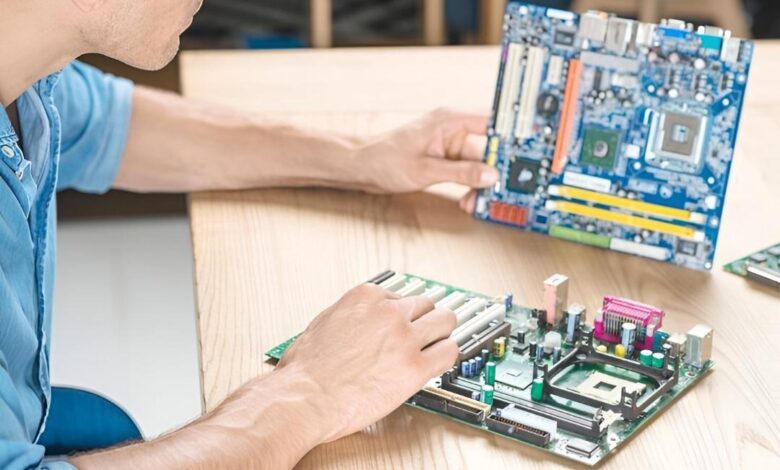
In electronics manufacturing, quality is not defined only by how a product looks—it is defined by how reliably it performs over time. Even minor defects in a printed circuit board can lead to system failure, safety risks, or costly recalls. For this reason, testing and quality assurance play a critical role in modern PCB assembly.
Many companies struggle to implement consistent testing when manufacturing is spread across multiple vendors. Testing may be rushed, poorly documented, or applied only at the final stage. Turnkey PCB assembly offers a more structured approach by integrating testing and quality assurance throughout the entire production process.
Why Testing Is Critical in PCB Assembly
A printed circuit board serves as the foundation of an electronic product. Any defect at this level can affect overall performance, reliability, and lifespan.
Common issues caused by insufficient testing include:
- Intermittent electrical failures
- Short circuits or open connections
- Overheating due to poor solder joints
- Component misalignment
- Reduced product lifespan
Testing helps identify these issues before products reach the market, protecting both manufacturers and end users.
Limitations of Testing in Fragmented Manufacturing Models
In traditional manufacturing setups, PCB fabrication, assembly, and testing are often handled by different vendors. This fragmentation introduces several challenges:
- Inconsistent testing standards
- Limited accountability for defects
- Poor documentation and traceability
- Late detection of manufacturing issues
- Increased rework and scrap
When problems are discovered late, fixing them becomes more expensive and disruptive.
How Turnkey PCB Assembly Integrates Testing into Production
Turnkey PCB assembly treats testing as a continuous process rather than a final checkpoint. Because one provider manages the entire workflow, testing can be applied at multiple stages to catch issues early.
This integrated approach ensures:
- Better defect detection
- Faster corrective action
- Improved consistency across batches
- Clear responsibility for quality outcomes
By embedding testing into the process, turnkey PCB assembly reduces the likelihood of defects reaching customers.
Visual Inspection and Early Defect Detection
Visual inspection is often the first layer of quality control. Skilled technicians examine boards for visible defects such as poor solder joints, missing components, or alignment issues.
In a turnkey environment, visual inspection is performed systematically and documented properly. Early detection prevents defective boards from moving further into production, saving time and resources.
Automated Optical Inspection (AOI)
Automated Optical Inspection plays a key role in modern PCB assembly. AOI systems use high-resolution cameras and software to inspect solder joints, component placement, and polarity.
Turnkey PCB assembly providers integrate AOI into their workflows to:
- Detect defects consistently
- Reduce reliance on manual checks alone
- Improve inspection speed and accuracy
AOI helps identify issues that may not be visible to the human eye, improving overall quality.
Electrical and Functional Testing
Electrical testing verifies that circuits are connected correctly and function as intended. Functional testing goes a step further by checking whether the assembled board performs its intended operation.
Turnkey PCB assembly allows these tests to be planned and executed efficiently because design, assembly, and testing teams work within the same system. This coordination ensures accurate test coverage and reliable results.
Preventing Failures Through Process Control
Testing alone is not enough—quality must be built into the process. Turnkey PCB assembly emphasizes process control to reduce the likelihood of defects occurring in the first place.
This includes:
- Controlled soldering processes
- Standardized assembly methods
- Verified component sourcing
- Consistent operator training
When processes are stable, testing confirms quality instead of compensating for weak production practices.
Traceability and Quality Documentation
Traceability is essential for effective quality assurance. Manufacturers need to know which components, processes, and inspections were involved in producing each board.
Turnkey PCB assembly improves traceability by centralizing documentation. Production records, test results, and inspection data are stored and managed together, making it easier to investigate issues or support audits.
Reducing Rework and Costly Failures
Defects discovered after shipment can be extremely expensive. Returns, repairs, and recalls not only increase costs but also damage brand reputation.
By applying structured testing throughout production, turnkey PCB assembly reduces:
- Rework rates
- Field failures
- Warranty claims
- Customer dissatisfaction
This proactive approach saves time and protects long-term profitability.
Supporting High-Reliability Applications
Certain industries require exceptionally high reliability, such as medical devices, automotive systems, and industrial controls. In these applications, failure is not an option.
Turnkey PCB assembly supports high-reliability requirements by enforcing strict testing protocols and consistent quality standards. This level of control is difficult to achieve when manufacturing responsibilities are split across multiple vendors.
Testing Scalability Across Production Volumes
Testing requirements often change as production scales from prototype to mass manufacturing. Inconsistent testing approaches can introduce new risks during scaling.
Turnkey PCB assembly supports scalable testing by applying the same quality framework regardless of production volume. Whether producing small batches or large orders, testing remains consistent and reliable.
A dependable manufacturer offering Turnkey PCB Assembly Services ensures that quality standards do not weaken as production increases.
Continuous Improvement Through Feedback Loops
Quality assurance is not a one-time effort. Continuous improvement relies on feedback from testing data to refine processes over time.
Turnkey PCB assembly enables effective feedback loops by connecting testing results directly to engineering and production teams. This allows rapid process improvements and long-term quality enhancement.
Customer Confidence and Brand Trust
Reliable testing builds confidence—not just internally, but also among customers and partners. Products that perform consistently strengthen brand reputation and reduce the risk of negative feedback.
Companies that invest in strong testing and quality assurance practices are better positioned to build long-term customer relationships.
Organizations using Turnkey PCB Assembly Services benefit from higher customer trust due to consistent product performance.
Manufacturing Expertise Behind Quality Assurance
Manufacturers like globalwellpcba.com focus on integrating testing, inspection, and quality control into every stage of PCB assembly. Their structured workflows and attention to detail help ensure that each board meets performance and reliability expectations before shipment.
Final Thoughts
Testing and quality assurance are essential pillars of reliable electronics manufacturing. Without proper controls, even well-designed products can fail in real-world conditions.
Turnkey PCB assembly offers a comprehensive solution by embedding testing, inspection, and quality management into a single, coordinated process. By detecting defects early, improving traceability, and supporting continuous improvement, turnkey PCB assembly helps manufacturers deliver dependable products with confidence.
For companies seeking long-term reliability, reduced risk, and stronger brand trust, turnkey PCB assembly remains a smart and strategic manufacturing choice.