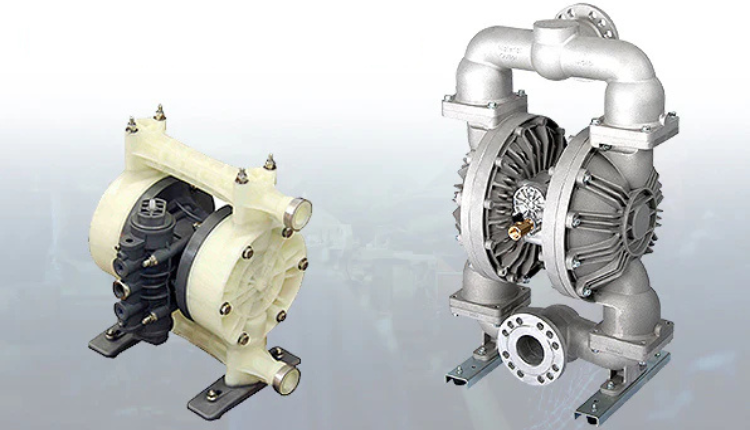
In many industrial environments, moving liquids is not as simple as turning on a motor and opening a valve. Some fluids are thick, abrasive, corrosive, or even flammable. That is where pneumatic pumps come into play. These pumps use compressed air instead of electricity to transfer liquids safely and efficiently.
Industries such as chemical processing, wastewater treatment, mining, food production, and heavy manufacturing often prefer air-powered systems because they reduce electrical risks and handle demanding materials with ease. In facilities where sparks or overheating could create safety concerns, an air-driven solution provides peace of mind.
Beyond safety, pneumatic pumps are valued for their reliability in continuous operations. They are commonly used for transferring acids, sludge, solvents, coatings, and even viscous food products. Their ability to adapt to different working conditions makes them a flexible solution for both small workshops and large industrial plants.
Understanding how these systems work and where they fit best can make a big difference in performance, maintenance costs, and long-term reliability. The sections below break down the technology, benefits, applications, and selection factors in a clear and practical way.
How Pneumatic Pumps Work in Industrial Systems
Pneumatic pumps operate using compressed air as their driving force. Instead of relying on an electric motor, they convert air pressure into mechanical motion. Many industrial facilities explore reliable equipment options through manufacturers such Korax, especially when evaluating air-powered systems designed for demanding applications.
Unlike centrifugal pumps that depend on rotating impellers, pneumatic pumps use reciprocating motion. This makes them particularly suitable for applications where flow consistency and material compatibility matter more than sheer speed.
Basic Operating Principle
At the core of most pneumatic pumps is a diaphragm mechanism. Compressed air enters the pump and pushes one diaphragm outward. This movement creates suction on the opposite side, drawing fluid into the chamber. When the air flow switches sides, the process reverses.
This alternating suction and discharge cycle creates a steady pumping action. Because the movement is controlled by air pressure, the pump automatically adjusts to changes in discharge pressure. If the outlet is blocked, the pump can stall without overheating, which adds an extra layer of operational safety.
In practical terms, this means fewer unexpected breakdowns and more predictable performance during day-to-day operations.
Main Internal Components
A few essential parts make this operation possible:
- Air valve system: Directs compressed air between chambers, ensuring balanced movement
- Diaphragms: Flexible membranes that physically move the fluid
- Check valves: Control one-way fluid flow and prevent backflow
Some models also include mufflers to reduce noise and regulators to fine-tune air pressure. Because the mechanism relies on air pressure rather than rotating shafts or seals, wear is often easier to manage. Routine inspection of diaphragms and valves keeps the system running smoothly.
Key Advantages of Air-Driven Pump Technology
Air-driven pump systems offer several practical advantages that make them attractive for industrial use.
Safe Operation in Hazardous Areas
Since pneumatic pumps do not use electric motors, they do not generate sparks during operation. This makes them suitable for transferring flammable liquids or working in potentially explosive environments. Chemical plants, paint facilities, and fuel storage areas often rely on this safety feature.
Additionally, the ability to stall under pressure without overheating reduces the risk of equipment damage during line blockages or accidental valve closures.
Handling Thick and Abrasive Fluids
Pneumatic pumps are well known for managing challenging materials such as:
- Sludge from wastewater systems
- Slurries containing sand or mineral particles
- High-viscosity liquids like adhesives or resins
Their diaphragm design allows them to pass solids without clogging easily. This makes them especially useful in mining operations or industrial cleaning processes where debris is common.
Self-Priming and Dry Run Capability
Many air-operated pumps are self-priming, meaning they can start pumping without needing to be pre-filled with liquid. This simplifies installation and reduces setup time.
They can also tolerate dry running for short periods without significant damage. In real-world operations, this feature helps prevent costly downtime if a tank temporarily runs empty or if there is a brief interruption in supply.
Common Industrial Applications
Pneumatic pumps are used across a wide range of sectors because of their flexibility and durability.
Manufacturing Plants
In manufacturing facilities, these pumps move raw materials between storage tanks and processing lines. They also support cleaning systems that circulate detergents or rinse water. For example, a factory producing coatings may use a pneumatic pump to transfer paint from bulk containers to filling stations.
Wastewater Treatment
Wastewater plants rely on pneumatic pumps to handle thick sludge and debris-filled liquids. Their ability to move high solid content fluids without clogging makes them reliable for primary treatment processes and sludge dewatering systems.
Chemical Processing
Chemical plants often deal with corrosive or hazardous liquids that require careful handling. Air-powered systems reduce ignition risks and can be built with materials that resist chemical attack. Many businesses review specialized product categories such as industrial pneumatic pump solutions when selecting equipment for acid transfer or solvent circulation.
Food and Beverage
In food processing environments, pneumatic pumps handle viscous liquids like syrups, sauces, or flavor concentrates. With proper material selection and hygiene standards, they support clean and controlled transfer processes while maintaining product quality.
Across all these sectors, the common factor is the need for dependable fluid handling under varying conditions.
Choosing the Right Pneumatic Pump
Selecting the correct pneumatic pump involves more than matching size to space. A thoughtful evaluation helps prevent operational issues later.
Material Compatibility
The pump housing and internal components must match the fluid being transferred. Options often include:
- Aluminum for general industrial use
- Stainless steel for corrosive or hygienic applications
- Polypropylene or PVDF for chemical resistance
Choosing the wrong material can lead to corrosion, leaks, and unexpected downtime.
Flow Rate Requirements
Understanding how much fluid needs to move per minute and at what pressure is essential. Reviewing system requirements such as pipe diameter, discharge height, and viscosity ensures proper sizing. A well-sized pump improves efficiency and extends service life.
Maintenance Accessibility
Industrial environments benefit from pumps that allow easy diaphragm replacement and quick inspection of valves. Look for designs that simplify part replacement and reduce service time. Clear maintenance access keeps operations running smoothly and lowers long-term costs.
Conclusion
Pneumatic pumps have become a trusted solution in modern industry because they combine safety, durability, and operational flexibility. Their air-driven design eliminates many electrical risks, handles thick and abrasive materials, and adapts well to challenging environments such as chemical plants, wastewater facilities, and manufacturing lines.
However, long-term performance depends on selecting the right configuration. Proper material compatibility, accurate flow rate calculations, and accessible maintenance design all contribute to reliable results. When chosen carefully, a pneumatic pump does more than move fluid. It supports stable production, reduces unexpected downtime, and protects both equipment and personnel.
Making a smart selection today can help ensure smoother operations for years to come.