Cataracts are one of the most common causes of vision impairment worldwide, especially among older adults. A cataract occurs when the natural lens of the eye becomes cloudy, leading to blurred vision, glare, difficulty seeing at night, and faded colors. Fortunately, modern cataract surgery has evolved into a highly safe, precise, and effective procedure that restores vision for millions of people every year.
Advancements in surgical technology, imaging systems, and artificial lens implants have made cataract surgery one of the most successful medical procedures performed today. Understanding how the procedure works and what patients can expect helps reduce anxiety and ensures informed decisions about eye health.
Understanding Cataracts and Their Impact on Vision
The eye’s natural lens focuses light onto the retina, allowing clear images to form. With aging or other health conditions, proteins within the lens can break down and clump together, causing the lens to become cloudy.
Common Symptoms of Cataracts
Cataracts usually develop gradually, and symptoms may worsen over time. Some common signs include:
- Blurred or cloudy vision
- Increased sensitivity to light or glare
- Difficulty seeing at night
- Colors appearing faded or yellowish
- Frequent changes in eyeglass prescriptions
- Double vision in one eye
These symptoms may initially be mild but can eventually interfere with daily activities, such as reading, driving, or recognizing faces.
What Is Modern Cataract Surgery?
Modern cataract surgery is a minimally invasive procedure designed to remove the cloudy natural lens and replace it with a clear artificial lens called an intraocular lens (IOL).
The surgery usually takes less than 30 minutes and is performed using local anesthesia. Most patients remain awake during the procedure but feel little to no discomfort.
Key Goals of Cataract Surgery
- Remove the cloudy lens
- Restore clear vision
- Improve light sensitivity and color perception
- Reduce dependence on glasses in some cases
Because of advances in technology and surgical precision, the procedure now offers excellent visual outcomes and faster recovery times.
Advanced Techniques Used in Modern Cataract Surgery
Medical technology has significantly improved the safety and effectiveness of cataract surgery. Surgeons now use advanced imaging systems and micro-surgical tools that enhance precision.
1. Phacoemulsification (Ultrasound Technology)
Phacoemulsification is the most widely used technique today. During this procedure:
- A tiny incision is made in the cornea
- Ultrasound waves break the cloudy lens into small fragments
- The fragments are gently suctioned out
- A new intraocular lens is inserted
The small incision usually heals quickly without the need for stitches.
2. Laser-Assisted Cataract Surgery
Some surgeons use femtosecond laser technology to perform key parts of the surgery. The laser can:
- Create precise corneal incisions
- Break up the cataract lens
- Improve accuracy of lens placement
This technology may increase precision, though traditional techniques remain highly effective.
3. Advanced Intraocular Lenses (IOLs)
Modern cataract surgery also includes different types of artificial lenses designed to improve vision quality.
Common types include:
- Monofocal lenses: Correct vision at a single distance
- Multifocal lenses: Allow focus at near, intermediate, and far distances
- Toric lenses: Correct astigmatism
- Extended depth-of-focus lenses: Provide a broader range of clear vision
The type of lens chosen depends on a patient’s vision needs and eye condition.
Safety and Success Rate of Cataract Surgery
Cataract surgery is widely considered one of the safest surgeries in medicine. Studies show that more than 95% of patients experience improved vision after the procedure.
Why the Procedure Is Considered Safe
Several factors contribute to its safety, including:
- Advanced surgical tools
- Improved sterilization methods
- High-resolution eye imaging
- Short procedure time
- Experienced ophthalmic surgeons
Complications are uncommon but can include infection, inflammation, or swelling. These risks are generally rare and manageable with prompt treatment.
Who Should Consider Cataract Surgery?
Cataract surgery is usually recommended when vision problems begin to interfere with everyday activities.
Signs It May Be Time for Cataract Surgery
You may benefit from cataract surgery if:
- Glasses or contact lenses no longer improve vision
- Night driving becomes difficult
- Reading requires significantly brighter light
- Glare from headlights or sunlight causes discomfort
- Vision affects work or hobbies
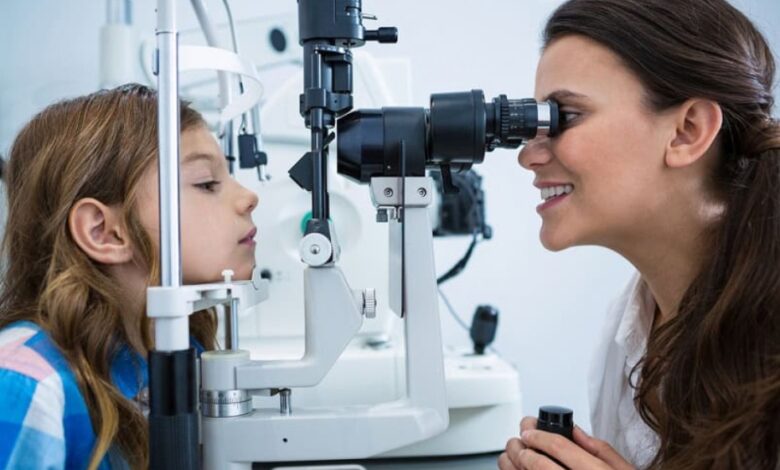
Eye doctors evaluate cataract severity using a comprehensive eye exam before recommending surgery.
The Cataract Surgery Procedure Step-by-Step
Understanding what happens during surgery can help patients feel more comfortable about the process.
Step 1: Pre-Surgery Evaluation
Before surgery, the eye doctor measures:
- Eye shape and size
- Corneal curvature
- Lens power required for the IOL
These measurements ensure the artificial lens provides the best possible visual outcome.
Step 2: Local Anesthesia
Eye drops or a mild injection numb the eye so the patient does not feel pain.
Step 3: Lens Removal
Using microscopic tools or ultrasound technology, the cloudy lens is broken apart and removed through a small incision.
Step 4: Artificial Lens Placement
The intraocular lens is inserted into the same position where the natural lens was located.
Step 5: Healing
The incision is extremely small and usually seals naturally without stitches.
In regions such as Kalka, patients commonly look for trusted eye care centers that offer the best cataract surgery in Kalka for advanced treatment.
Recovery After Cataract Surgery
Recovery is generally quick, with most patients noticing improved vision within a few days.
Normal Recovery Timeline
First 24 to 48 hours
- Mild irritation or itching
- Slight blurriness
- Use of prescribed eye drops
First week
- Gradual improvement in vision
- Reduced redness or discomfort
Within one month
- Complete healing for most patients
- Vision stabilizes
Doctors usually advise patients to avoid rubbing the eyes, heavy lifting, or swimming during the initial recovery period.
Benefits of Modern Cataract Surgery
Modern surgical techniques provide numerous benefits for patients experiencing vision loss due to cataracts.
Key Advantages
- Clearer and sharper vision
- Improved color perception
- Better night driving ability
- Reduced glare sensitivity
- Greater independence from glasses in some cases
Many patients report significant improvement in quality of life after surgery.
Tips for Maintaining Eye Health After Surgery
Although cataract surgery restores vision, maintaining long-term eye health is important.
Helpful Eye Care Practices
- Attend regular eye examinations
- Wear sunglasses with UV protection
- Manage conditions like diabetes and high blood pressure
- Maintain a balanced diet rich in antioxidants
- Avoid smoking
Healthy lifestyle habits help protect vision and support overall eye health.
Frequently Asked Questions
1. How long does cataract surgery take?
The procedure usually takes about 15 to 30 minutes. However, patients may spend a few hours at the surgical center for preparation and recovery.
2. Is cataract surgery painful?
Most patients feel little to no pain during cataract surgery. Local anesthesia numbs the eye, and mild discomfort afterward is usually temporary.
3. When can normal activities resume after surgery?
Many people return to normal activities within a few days, though strenuous activities should be avoided for about one week.
4. Will I still need glasses after cataract surgery?
Some patients may still need glasses for reading or certain tasks after cataract surgery, depending on the type of intraocular lens used.
5. Can cataracts return after surgery?
Cataracts cannot return because the natural lens has been removed. However, a condition called posterior capsule opacification may cause similar symptoms and can be easily treated with a laser procedure.
6. Who is not a candidate for cataract surgery?
Most people with cataracts are eligible for surgery. However, individuals with certain eye conditions may require additional evaluation before the procedure.
Modern cataract surgery has transformed vision care by offering safe, effective, and highly precise treatment for one of the most common age-related eye conditions. With advanced surgical techniques and innovative lens technology, patients today can experience clearer vision, faster recovery, and improved quality of life.