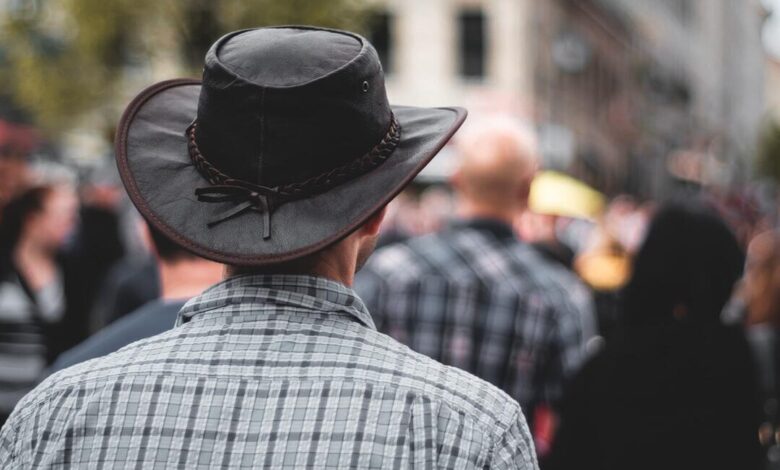
Outdoor activities often involve sudden rain and changing conditions. Staying dry helps maintain comfort and focus during long hours outside. A waterproof hat protects the head from moisture and wind exposure.
The right choice also supports temperature control in wet weather. Not all waterproof hats perform the same in real use. Fit, material, and design all affect performance.
The sections below explain how to choose a waterproof hat that works well outdoors.
Understanding What Makes a Hat Waterproof
A waterproof hat is designed to stop rain from reaching the head during wet conditions. This protection usually comes from treated fabrics or layered membranes that block water. The outer surface often repels moisture on contact, helping rain roll off instead of soaking in.
Inner layers add another level of protection by slowing water penetration over time. Seam construction is also important because stitched areas can allow leaks if not sealed well. A well built hat keeps moisture out even during prolonged rainfall.
Waterproof performance should remain consistent while moving. Reliable protection supports comfort and safety outdoors. This feature forms the foundation of a dependable waterproof hat.
Breathability Matters in Wet Conditions
Breathability helps release heat and moisture from inside the hat during activity. Without airflow, sweat can build up and cause dampness inside. This trapped moisture can feel cold and uncomfortable over time.
Breathable materials allow vapor to escape while blocking rain. This balance keeps the head dry from both weather and exertion. Active movement increases body heat quickly.
Proper breathability helps regulate temperature during long use. Comfort improves when moisture is managed well. Breathable design supports steady performance outdoors.
Choosing the Right Material
Material choice affects comfort, weight, and durability. Some fabrics feel soft and flexible, making them easier to wear for long periods. Others offer more structure and protection in harsh conditions. Waterproof treatments vary in strength and lifespan.
Lightweight materials suit hiking and travel where movement matters. Thicker materials work better in cold or windy environments. Fabric type also affects drying time after exposure.
Storage becomes easier with flexible materials. Strong materials hold up better under repeated use. The right material depends on the activity and climate.
Fit and Coverage for Better Protection
Proper fit helps a waterproof hat perform as intended. A loose hat allows water to enter from the sides and back. A very tight fit can cause pressure and discomfort during wear.
Good coverage protects key areas like the forehead and ears. Adjustable elements help customize the fit for different conditions. Chin straps add stability during strong wind.
A secure fit supports movement without distraction. Coverage should match expected weather exposure. Comfort improves when the hat stays in place and fit should always support long wear.
Brim Design and Rain Control
Brim design plays a role in managing rain. A well shaped brim directs water away from the face and eyes. Short brims suit light rain and active movement.
Wider brims provide better protection in steady rainfall. Stiffness affects how the brim holds up in wind. Flexible brims pack easily but may lose shape.
Firm brims maintain structure during storms and clear vision improves when water is guided away. Brim choice should match the environment. Good rain control supports focus outdoors.
Weight and Packability for Travel
Weight becomes noticeable during long outdoor trips. Heavy hats can add strain over time. Lightweight designs support comfort during extended use.
Packable hats are easier to store when not needed and this helps when weather changes suddenly. Some materials compress well without damage and others retain shape but take more space. Easy storage supports quick access.
Packability matters for travel and hiking. A balanced design improves convenience.
Cold Weather Versus Warm Weather Use
Weather conditions influence hat design needs. Cold environments require added insulation to retain warmth. Warm conditions benefit from lighter designs with airflow.
Waterproof layers can trap heat if poorly balanced. Lined hats work better in colder climates.
Unlined options suit mild or warm rain. Seasonal use affects comfort and safety. One hat may not suit all conditions.
Planning for climate improves results. Matching design to weather enhances performance.
Lining and Inner Comfort
Inner lining affects how the hat feels against the skin. Soft linings reduce friction during long wear. Moisture managing linings help keep sweat under control and rough interiors can cause irritation over time.
Comfort becomes important during extended outdoor use. Quick drying linings prevent lingering dampness. Odor resistance adds long term comfort.
Inner design supports daily use. This detail often improves overall satisfaction.
Durability for Long Term Use
Outdoor environments place stress on headwear. A waterproof hat should resist wear from repeated use. Abrasion resistance matters in rough terrain.
Stitch quality affects how long the hat lasts. Reinforced areas handle pressure points better.
Durable construction helps maintain waterproof performance. Weak materials break down faster in wet conditions. Longevity supports better value and strong design reduces replacement needs.
Style and Practical Appearance
Practical style supports regular use and simple designs work in many outdoor settings. Clean shapes suit both travel and daily wear. Neutral looks pair well with other gear and bulky designs can limit comfort.
Style should not interfere with performance. Functional appearance supports confidence and versatility adds value to the hat. Balanced design works across environments.
Matching With Other Waterproof Gear
A waterproof hat performs best as part of a full system, it should work well with jackets and layers. Consistent protection reduces heat loss. Headwear often complements gloves and outerwear and some users align waterproof performance across gear.
Items like sealskinz gloves show how layered protection supports comfort. Coordinated gear improves weather resistance and this approach supports longer outdoor exposure. System planning improves overall results.
Maintenance and Care Over Time
Proper care helps maintain waterproof performance. Dirt buildup can reduce water resistance. Regular cleaning restores fabric function.
Care instructions should be followed closely. Excess heat can damage waterproof layers. Air drying protects material integrity.
Proper storage prevents long term damage. Maintenance supports reliability over time. A well cared hat performs better longer.
You Need the Right Waterproof Hat for Outdoor Adventures
Choosing the right waterproof hat improves comfort and protection outdoors. Focus on waterproofing, breathability, and fit when selecting. Materials and design should match climate and activity.
Small details affect long term performance. A thoughtful choice supports safer outdoor experiences. Use these points as a clear guide and the right waterproof hat supports every outdoor adventure.
Should you wish to read more, visit our blog. We’ve got more topics!