Claire Keegan: A Powerful Voice of Quiet Truths in Modern Irish Literature

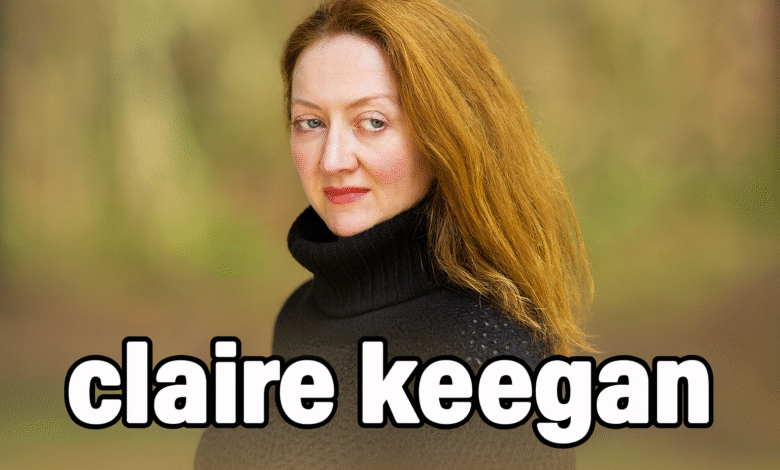
Table of Contents
ToggleIntroduction
Claire Keegan is one of the most respected and influential writers in contemporary Irish literature. Known for her precise language, emotional depth, and moral clarity, she has built a global reputation through a relatively small but powerful body of work. Her stories focus on ordinary lives, yet they reveal extraordinary truths about human relationships, silence, responsibility, and compassion.
What makes Claire Keegan exceptional is not volume, but impact. Each work is carefully crafted, emotionally restrained, and deeply resonant. While she has received widespread praise and international awards, she is also known for maintaining privacy and artistic independence, choosing depth over publicity. This balance of acclaim and restraint defines both her career and her literary identity.
Quick Bio: Claire Keegan
| Attribute | Details |
|---|---|
| Full Name | Claire Keegan |
| Birth Year | 1968 |
| Birthplace | County Wicklow, Ireland |
| Nationality | Irish |
| Profession | Writer (Short Stories, Novellas) |
| Language | English |
| Education | Loyola University (USA), University of Wales (Cardiff), Trinity College Dublin |
| Genres | Literary fiction, short stories, novellas |
| Known For | Minimalist prose, moral realism, rural Irish themes |
Early Life and Background
Claire Keegan was born in 1968 in County Wicklow, Ireland, and raised in rural surroundings that would later shape much of her literary imagination. She grew up on a farm as the youngest child in a large family, an experience that exposed her early to silence, observation, and emotional restraint. These elements later became defining features of her fiction.
Her upbringing in rural Ireland provided her with firsthand insight into community life, unspoken rules, and the quiet tensions that exist beneath ordinary routines. Rather than romanticising rural life, her work reflects its emotional complexity, including loneliness, care, and moral conflict. This grounded perspective gives her writing authenticity and emotional weight.
Education and Literary Formation
At the age of seventeen, Claire Keegan moved to the United States to pursue higher education. She studied English and Political Science at Loyola University in New Orleans, an experience that broadened her worldview and introduced her to diverse literary traditions. Living abroad helped her develop an outsider’s perspective, which later strengthened her observational writing style.
After returning to Ireland, she completed a Master’s degree in Creative Writing at the University of Wales in Cardiff, followed by an M.Phil at Trinity College Dublin. These academic experiences refined her technical skills and deepened her understanding of narrative structure, voice, and restraint. Her education played a crucial role in shaping her disciplined and minimalist approach to storytelling.
Start of Literary Career
Claire Keegan began her professional writing career in the late 1990s, publishing short stories in respected literary journals. Her early work quickly attracted attention for its emotional precision and moral clarity. Unlike many writers, she did not rely on dramatic plots but instead focused on subtle shifts in human behaviour.
Her debut collection established her reputation as a serious literary talent. Critics praised her ability to say more with less, noting that her stories lingered long after reading. From the beginning, it was clear that she was committed to literary quality rather than commercial trends, a decision that would define her long-term success.
Major Works and Career Overview
Claire Keegan’s literary career is marked by carefully selected publications rather than frequent releases. Her first short story collection, Antarctica, introduced readers to her signature style of restraint and emotional intensity. The collection received strong critical acclaim and positioned her as a major new voice in Irish fiction.
She followed this with Walk the Blue Fields, a collection that further explored themes of love, loss, faith, and moral responsibility. Her novella Foster brought her international recognition, particularly for its quiet portrayal of care, childhood, and emotional safety. Later, Small Things Like These expanded her readership worldwide, earning significant literary recognition and adaptation into film. Each work reinforced her reputation for precision, emotional honesty, and ethical depth.
Writing Style and Themes
Claire Keegan is widely admired for her minimalist prose style. Her writing avoids excess description and relies instead on implication, silence, and carefully chosen details. This approach demands active engagement from readers, making her stories both challenging and deeply rewarding.
Her themes often include moral responsibility, human kindness, emotional neglect, and the quiet consequences of choices. Rural Irish settings serve as a backdrop, but her stories address universal human experiences. By focusing on what is left unsaid, she creates powerful emotional tension that defines her literary legacy.
Adaptations and Cultural Impact
Several of Claire Keegan’s works have been adapted into successful films, bringing her writing to a wider audience. These adaptations preserved the emotional restraint of her prose while introducing her stories to international viewers. The success of these films further confirmed the cinematic quality of her storytelling.
Beyond adaptations, her influence extends into education and literary studies. Her work is widely taught in universities and creative writing programmes, particularly as an example of effective short fiction. She is regarded as a writer who has elevated the status of the short story in modern literature.
Recognition and Achievements
Throughout her career, Claire Keegan has received major literary awards and honours, reflecting both national and international recognition. Her work has been translated into many languages, demonstrating its global relevance and emotional universality.
She is also a member of Aosdána, an Irish association that honours artists who have made outstanding contributions to the arts. Despite these achievements, she has remained committed to privacy and artistic independence, allowing her work to speak for itself.
Legacy and Influence
Claire Keegan’s legacy lies in her commitment to truth, restraint, and moral clarity. She has shown that short fiction can be as powerful and impactful as the novel, influencing a new generation of writers who value precision over excess.
Her writing continues to resonate with readers because it addresses timeless human concerns with honesty and compassion. By focusing on small moments and quiet choices, she has created a body of work that feels both intimate and universal, securing her place among the most important literary voices of her time.
Conclusion
Claire Keegan stands as a powerful example of how discipline, restraint, and emotional intelligence can create lasting literary impact. Her work proves that storytelling does not need excess to be profound. Through carefully crafted prose and deep moral insight, she has reshaped modern short fiction and earned global respect.
While she avoids unnecessary exposure and personal publicity, her stories continue to speak loudly. Claire Keegan’s contribution to literature is not only significant but enduring, ensuring her influence will continue for generations to come.
Frequently Asked Questions (FAQ)
Who is Claire Keegan?
Claire Keegan is an Irish writer known for her critically acclaimed short stories and novellas that explore moral and emotional themes with precision.
What is Claire Keegan famous for?
She is best known for works such as Foster and Small Things Like These, as well as her minimalist and emotionally powerful writing style.
What themes does Claire Keegan explore in her writing?
Her work often focuses on human relationships, moral responsibility, silence, kindness, and rural Irish life.
Is Claire Keegan considered an important modern writer?
Yes, she is widely regarded as one of the most influential contemporary Irish writers, particularly in the short fiction genre.
Why is Claire Keegan’s writing style unique?
Her style is defined by simplicity, restraint, and emotional depth, allowing readers to engage deeply with subtle but powerful narratives.