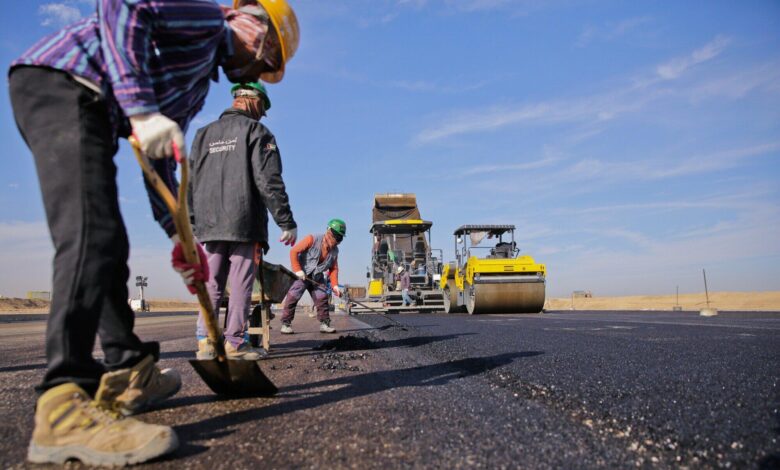
Roads are more than just paths for cars and trucks-they are the backbone of modern life. Durable roads are essential for safety, smooth travel, and saving money on repairs. Modern engineers focus on building roads that last longer, handle heavy traffic, and resist harsh weather.
Strong roads make life easier for everyone. Read on.
Why Durability Matters
A durable road can handle daily traffic and extreme weather without breaking down. Without strong roads, we see potholes, cracks, and even bigger structural problems. Durable roads save money on repairs and keep drivers safe.
They also reduce traffic delays caused by road work. Poor roads not only slow down travel but can also damage vehicles. For cities and towns, durable roads reduce the constant cost and effort of fixing broken streets.
Strong Materials for Long-Lasting Roads
The materials used in road construction make a big difference. Modern engineers use advanced materials like:
High-Performance Concrete
Resists cracks and weather damage better than regular concrete. It stays strong even in very cold or hot weather.
Polymer-Modified Asphalt
Handles heavy trucks and hot weather without forming ruts. It also lasts longer than normal asphalt before needing repairs.
Fiber-Reinforced Composites
Fibers in the pavement prevent small cracks from growing. These fibers make the road more flexible and less likely to break.
These materials make roads stronger and last much longer than traditional surfaces. Engineers also test materials in the lab to make sure they will perform well in real-life conditions, from freezing winters to hot summers.
Smart Road Design
How a road is built is just as important as the materials. Engineers study traffic, soil, weather, and drainage before construction. Many roads have multiple layers:
A strong base layer to support heavy loads. A middle layer to distribute weight. A durable top layer for smooth driving.
Proper drainage is also key. Water can damage roads over time, so engineers design systems to keep water away from the pavement. Curbs, drains, and slope designs all help water flow off the road, protecting it from cracks and potholes.
Using Technology to Keep Roads Healthy
Technology helps keep roads in good shape. Sensors in the pavement can track:
- Traffic weight
- Temperature changes
- Moisture levels
This information helps engineers spot problems early and fix them before they become serious. Predictive maintenance ensures repairs are done at the right time, extending the road’s life.
Some systems even alert road crews automatically when small cracks or weak spots appear, making maintenance faster and cheaper. Check out asphalt paving Columbus Ohio, to learn more.
Building Sustainable and Durable Roads
Durable roads can also be environmentally friendly. Engineers use recycled materials like old asphalt and concrete to build new roads.
Permeable pavements allow water to pass through, preventing water damage and reducing flooding. Planting green spaces along roads also helps control water flow and keeps the surrounding environment healthy. Combining durability with sustainability helps protect both roads and the environment.
Roads Built for the Future
Durable roads are more than strong surfaces-they are smart, long-lasting infrastructure. With advanced materials, careful design, and modern monitoring technology, today’s roads are safer and last longer.
As cities grow and traffic increases, building durable roads will remain a priority. Strong, well-designed roads keep people and goods moving safely while saving time and money. By focusing on durability, sustainability, and smart technology, engineers are building roads that will serve generations to come.
If you want to read more articles, visit our blog.