Lighting a fire at home should be a cozy ritual, not a frustrating battle against smoke and damp wood. For many UK homeowners, the difference between a roaring hearth and a smouldering mess comes down to the basics of ignition. While it is easy to focus on buying big logs, the materials you use to start the fire are just as critical. Using high-quality starters ensures your fire catches quickly, burns cleaner, and warms your home more efficiently.
This guide explores the essentials of fire lighting, focusing on why the right kindling and firelighters can transform your wood heating experience. Whether you have a wood-burning stove or an open fireplace, mastering the start-up phase saves you time, fuel, and patience.
Why Good Fire Starting Matters for Home Heating
The first ten to fifteen minutes of a fire are crucial for the efficiency of your heating system. When a fire starts slowly, the flue or chimney doesn’t warm up fast enough. A cold flue draws air poorly, leading to smoke spilling back into the room or sluggish combustion that creates excess soot and creosote.
A robust start creates a strong “draw”—the upward current of air that pulls smoke out and pulls oxygen in. This cycle is what sustains a healthy fire. If you struggle with damp newspaper or scraps of garden waste, you aren’t just wasting time; you are likely polluting your chimney and reducing the heat output of your stove. By prioritizing a hot, fast ignition, you ensure that your appliance operates at peak efficiency from the moment the match is struck.
What Makes Premium UK Kindling Different
Not all small sticks are created equal. You might be tempted to use twigs gathered from the garden or leftover scraps from a DIY project, but these often lead to disappointment. Proper kindling is manufactured specifically to burn hot and fast, providing the initial energy burst needed to ignite larger logs.
Moisture Levels and Why They Matter
The defining feature of high-quality kindling is its extra-low moisture content. Wood needs to be dry to burn well. When you use premium UK kindling, you are using wood that has typically been kiln-dried to moisture levels well below 20%, often as low as 10-12%.
Wet wood boils rather than burns. The energy that should be heating your room is instead used to evaporate the water inside the wood. This cools the fire down, creating smoke and preventing the flames from catching hold of larger fuel logs. In contrast, kiln-dried kindling catches fire almost instantly. The intense heat it generates is exactly what heavy hardwood logs need to start burning efficiently.
Furthermore, premium UK kindling is cut to a consistent size. Uniform pieces allow you to build stable structures (like the classic “jenga” or criss-cross shape) that encourage airflow. Good airflow is the secret ingredient to a fire that lights on the first try.
The Role of Natural Firelighters in Easy Ignition
Gone are the days when lighting a fire meant using chemical blocks that smelled of kerosene or paraffin. Those old-school firelighters might get a flame going, but they often leave a lingering chemical odour in your living room and can leave oily residues on your stove glass or hands.
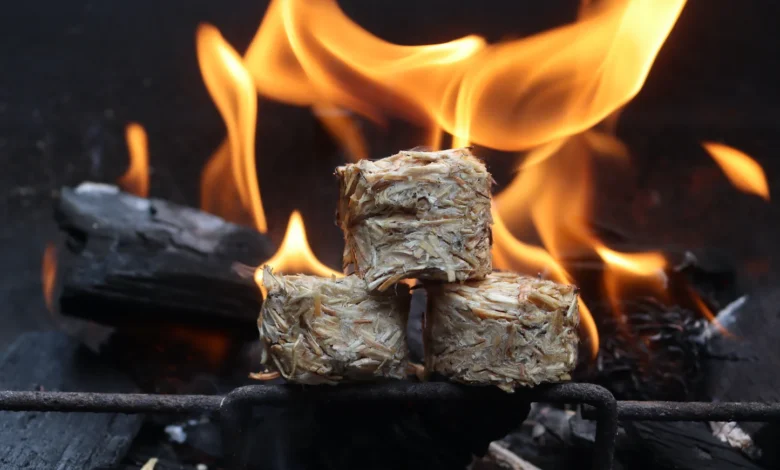
Modern wood heating enthusiasts have shifted toward natural options. Natural firelighters are typically made from compressed wood shavings dipped in natural wax. They are non-toxic, odourless, and incredibly effective. Because they burn for a long time—often up to 10 minutes—they provide a sustained flame that is powerful enough to ignite even stubborn wood.
Using natural firelighters simplifies the process significantly because you don’t need much paper or cardboard, which creates excess ash. You simply place one or two lighters in the centre of your grate, build your kindling structure around them, and light them. The wax ensures a steady, fierce flame that is resistant to being blown out by downdrafts, making them ideal for cold flues.
Combining Kindling and Firelighters for Best Results
The magic happens when you pair these two products. The sustained heat from natural firelighters ignites the dry kindling rapidly. Because the kindling is premium quality, it doesn’t just smoulder; it blazes. This creates a bed of hot embers very quickly. This bed of embers is the engine room of your fire, providing the intense heat required to combust the larger, denser logs you will add later.
Step-by-Step: Starting a Fire the Right Way
Lighting a fire is a skill that improves with practice, but having a reliable method helps. The “Top-Down” method is increasingly recommended by stove manufacturers and environmental bodies because it reduces smoke and heats the flue faster. However, the classic “Bottom-Up” method remains popular. Here is a reliable way to get going using the classic approach, refined for modern stoves:
- Clear the Grate: Ensure the air vents on your stove are fully open. You need maximum oxygen for ignition.
- Place Firelighters: Place 1 or 2 natural firelighters in the centre of the fire bed.
- Build the Kindling Stack: Arrange 6–8 sticks of premium UK kindling around and over the firelighters in a “jenga” or criss-cross pattern. Leave gaps between the sticks for air to flow through.
- Light It Up: Light the firelighters. Close the door but leave it slightly ajar (if your stove manual permits) for a minute or two to boost airflow.
- Wait for Roaring Flames: Once the kindling is burning fiercely and the flue is warm, close the door latch properly.
- Add Logs: Wait until the kindling has reduced to glowing embers before adding your first small logs.
Key benefits of this approach:
- Fast ignition prevents smoke buildup in the room.
- The structure is stable and won’t collapse and smother the flame.
- It requires minimal intervention once lit.
Common Mistakes People Make When Lighting Wood Fires
Even experienced users can fall into bad habits. Avoiding these common errors will prolong the life of your stove and keep your chimney cleaner.
One major mistake is overloading the firebox too early. It is tempting to stuff the stove full of logs and hope for the best, but fire needs oxygen. If you pack the wood too tightly, you choke the airflow, resulting in a smouldering, smoky pile that never generates real heat. Start small and build up gradually.
Another common error is using kindling that isn’t actually dry. Just because wood is small doesn’t mean it is ready to burn. Green or damp sticks will hiss and smoke, struggling to raise the temperature of the firebox. This is why buying specific premium UK kindling is often a better investment than scavenging damp twigs from the garden.
Finally, people often close the air vents too soon. They see a flame and immediately turn the air down to “save fuel.” However, if the fire hasn’t established a high core temperature, cutting the air will kill the flames and lead to incomplete combustion. Let the fire roar for a good 15-20 minutes before attempting to regulate the burn rate.
How Quality Kindling Saves Time, Fuel, and Stress
It might seem counterintuitive to pay for kindling when wood grows on trees, but the economics of heating usually favour quality over “free” scavenging. When you struggle to light a fire with poor materials, you often use multiple firelighters, re-lay the fire several times, and waste the potential heat of your main logs because they never burn efficiently.
Quality kindling acts as a catalyst. By ensuring fast ignition, you reach the optimal operating temperature of your stove much quicker. A hot stove radiates heat into the room sooner, meaning you use less fuel overall to achieve the same level of comfort.
Furthermore, the “stress factor” is significant. There is nothing worse on a freezing Tuesday evening than kneeling in front of a cold stove for 30 minutes, blowing on embers and getting smoke in your eyes. Reliable ignition products remove this variable. You can light the fire and walk away to make a cup of tea, confident that when you return, the room will be warming up.
Safety Tips for Lighting Indoor Stoves
While we want fires to light quickly, safety is paramount. Always ensure your chimney is swept annually to prevent chimney fires. When using natural firelighters, store them away from the heat source when not in use.
Never use accelerants like petrol or lighter fluid on an indoor fire; the explosive ignition can damage the stove glass or flue. Stick to the natural combination of wax-dipped starters and dry wood. Also, remember that a very hot fire needs supervision—once those first logs catch, regulate the air so the stove doesn’t over-fire, which can warp the metal components.
Reliable UK Suppliers of Fire Starting Products
Finding consistent quality is key to maintaining a hassle-free heating routine. The UK market has seen a shift towards specialized online suppliers who focus purely on wood fuel quality. Supermarket wood can sometimes be hit-or-miss regarding moisture content, stored in damp cages outside petrol stations.
Dedicated suppliers understand that “Ready to Burn” isn’t just a label; it is a necessity for modern, eco-conscious heating. They control the supply chain from the forest to your door, ensuring that moisture content is strictly monitored.
For example, companies like Lekto Woodfuels have built a reputation for delivering consistent products directly to homeowners. They are a good example of a supplier where you can source kiln-dried wood and effective natural starters in one place. Using a specialist ensures that the wood you receive is clean, dry, and packed specifically for home storage.
Conclusion
Heating your home with wood is a rewarding experience that offers unmatched warmth and atmosphere. However, the efficiency and enjoyment of your fire rely heavily on how you start it. By investing in premium UK kindling and pairing it with natural firelighters, you remove the guesswork and frustration from the process.
You gain a cleaner burn, a faster warm-up time, and the peace of mind that comes with using natural, sustainable materials. Next time the temperature drops, ensure your basket is stocked with high-quality starters—your stove, your chimney, and your family will thank you for the warmth.