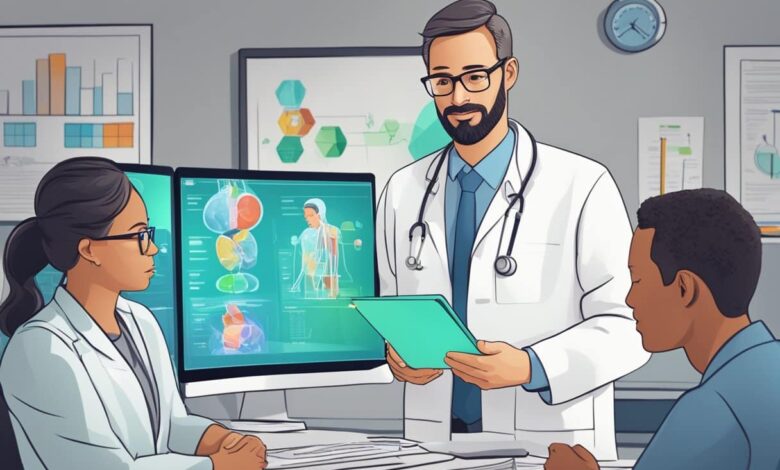
Clear communication is crucial in healthcare, where understanding complex medical information can make all the difference. Whether it’s educating medical professionals, training students, or explaining treatments to patients, conveying intricate medical concepts can be a challenge. 3D medical animation has emerged as a game-changing tool, transforming these challenges into visual, interactive experiences that are easy to grasp.
At Explore Clarion, we focus on exploring the impact of technological innovations across industries. In healthcare, 3D medical animation is at the forefront of a revolution. This article delves into how these animations are shaping the future of healthcare and why their significance is only set to grow.
What is 3D Medical Animation?
3D medical animation involves the creation of detailed, digital models that represent human anatomy, biological processes, diseases, and medical procedures. Using advanced animation software, these models bring to life how the body works, how diseases progress, and how treatments or surgeries are performed. These dynamic visualizations help turn abstract concepts into understandable, actionable insights.
By allowing viewers to explore medical content from multiple angles, 3D medical animation offers a depth of understanding that traditional methods simply cannot match.
Why is 3D Medical Animation Essential?
The importance of 3D medical animation lies in its ability to simplify complex information. With medical topics often involving intricate systems and processes, conveying these concepts visually can make them more accessible and understandable. 3D animation offers a new level of engagement, helping individuals—from healthcare providers to patients—understand complicated material with ease.
The Benefits of 3D Medical Animation
- Making Complex Ideas Easy to Understand
Medical information can be overwhelming, especially when it involves highly detailed or invisible processes. 3D medical animation simplifies these concepts by transforming them into visual models. Whether explaining how the heart pumps blood or the effects of a drug, animation provides a clear and simplified view of complex systems.
- Interactive Learning and Engagement
3D medical animation allows for interactivity, a crucial element in effective learning. Students and medical professionals can engage directly with content, manipulating and exploring models of the body or diseases. This type of interactive experience leads to better understanding and retention, as users can visualize the process and see it from different perspectives.
- Improving Patient Understanding and Confidence
Patients often struggle to understand complex medical procedures, diagnoses, or treatments. 3D medical animation offers a straightforward and visual way to explain what’s happening inside the body. By seeing exactly what will occur during surgery or how a condition affects the body, patients gain a deeper understanding, reducing anxiety and fostering a sense of confidence.
- Streamlining Medical Marketing
For pharmaceutical companies and medical device manufacturers, effectively demonstrating a product’s functionality is key. 3D medical animation allows these companies to visually showcase how a device or drug works within the human body. This clarity helps build trust with healthcare professionals, investors, and patients, offering a more compelling explanation than traditional text or diagrams.
- Enhancing Surgical Precision
Surgeons use 3D medical animation as a tool for pre-surgical planning. Visualizing a procedure in three dimensions allows surgeons to rehearse complex surgeries, anticipate challenges, and refine their techniques. This advanced preparation leads to better outcomes and increased precision in the operating room.
Key Applications of 3D Medical Animation
The utility of 3D medical animation spans across multiple domains within healthcare. Let’s look at the key areas where it’s making a profound impact:
- Medical Education and Training
Medical schools are increasingly integrating 3D medical animations into their curricula. These animations provide students with an interactive, immersive way to learn about human anatomy, disease mechanisms, and medical treatments. By actively engaging with these models, students can deepen their understanding and retain information more effectively.
- Surgical Training and Simulation
For surgeons, preparation is everything. 3D medical animation enables them to simulate surgeries and visualize procedures before performing them in real life. This allows surgeons to rehearse difficult or complex procedures, reducing risks and improving precision during actual surgeries.
- Clearer Communication with Patients
Explaining a medical procedure to a patient can be challenging. 3D medical animation offers a solution by providing a clear, step-by-step visual representation of the procedure. This not only helps patients understand what to expect but also enables them to make informed decisions about their care.
- Medical Product and Device Demonstrations
When launching a new medical product or device, manufacturers must demonstrate how it works in a way that’s clear and accessible. 3D medical animation is an ideal tool for this, offering a visual explanation of how a device interacts with the body or how a pharmaceutical product produces its effects. These animations help stakeholders—whether healthcare providers or investors—understand the product’s value.
- Public Health Campaigns
Public health organizations use 3D medical animation to raise awareness about diseases, conditions, and preventative care. These animations help the public understand medical issues in a more accessible way, playing a key role in health education campaigns aimed at reducing risks and promoting healthier lifestyles.
The Future of 3D Medical Animation
As technology continues to evolve, the role of 3D medical animation in healthcare will only expand. With innovations like Virtual Reality (VR) and Augmented Reality (AR), the potential for even more immersive experiences grows. Imagine a surgeon interacting with a 3D model of a patient’s anatomy during surgery or a student exploring a virtual human body for educational purposes—these possibilities are quickly becoming a reality.
Additionally, Artificial Intelligence (AI) is set to enhance the personalization of medical animations. With AI, 3D animations could be tailored to individual patients, offering a more customized educational experience based on their specific conditions.
Getting Started with 3D Medical Animation
If you’re interested in incorporating 3D medical animation into your practice, institution, or project, here’s how to get started:
- Select the Right Tools
Creating 3D medical animations requires sophisticated software. Tools like Blender, Maya, and Cinema 4D are excellent for general animation, while specialized tools like ZBrush and KeyShot are perfect for high-quality anatomical modeling and rendering.
- Collaborate with Medical Experts
To ensure accuracy, collaborating with healthcare professionals is essential when developing 3D animations. Doctors, surgeons, and researchers can provide invaluable insights, ensuring that your animations are scientifically sound and reflect real-world medical practices.
- Pay Attention to Detail
The success of 3D medical animation depends on its accuracy. Whether you’re illustrating a surgical procedure or depicting human anatomy, every detail—whether it’s textures, lighting, or anatomical structures—needs to be meticulously crafted for the animation to be effective.
- Seek Feedback
As with any creative process, feedback is crucial. Testing your animations with healthcare professionals or the intended audience will help ensure they meet their goals and resonate with the people who will benefit from them.
Moving Forward with 3D Medical Animation in Healthcare
3D medical animation is transforming how we communicate, educate, and engage with healthcare content. Whether enhancing medical education, improving patient understanding, or advancing product marketing, this technology is playing a key role in the future of healthcare. As new technologies like VR, AR, and AI continue to evolve, the possibilities for 3D medical animation are endless.
At Explore Clarion, we’re excited to see how this technology will continue to drive innovation in the healthcare sector. By embracing 3D medical animation, professionals in education, medicine, and technology can enhance the effectiveness of their communication, improve patient care, and push the boundaries of what’s possible in healthcare.