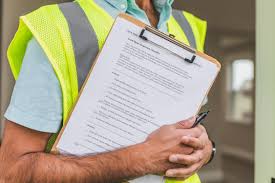
- Introduction: The importance of regular property inspections
Regular property inspections are an essential part of property management. Not only do they help landlords maintain the condition of their properties, but they also foster strong relationships with tenants by ensuring that issues are addressed promptly. For landlords, establishing an inspection schedule is crucial to safeguarding their investment and ensuring that tenants are complying with the terms of the lease. But how frequently should these inspections occur, and what should landlords be looking for? This article explores the ideal frequency of property inspections, why they matter, and how estate agents in Swanley can assist landlords in managing them effectively.
- Understanding the purpose of property inspections
Property inspections serve several important functions for landlords. First and foremost, they allow landlords to ensure that the property is being well-maintained and is in good condition. Inspections also offer an opportunity to check that tenants are adhering to the terms of the lease, including any stipulations regarding property care.
In addition, inspections provide a chance to identify and address potential issues before they escalate into costly repairs. This proactive approach can ultimately save landlords money, reduce tenant disputes, and ensure the long-term value of the property.
- Legal requirements and regulations surrounding inspections
Landlords have both legal and contractual obligations regarding property inspections. While UK law does not set a specific number of inspections per year, the landlord is required to ensure that the property remains safe and habitable. Under the Landlord and Tenant Act 1985, landlords must maintain the structure and exterior of the property and ensure that gas, electricity, and other systems are in safe working order.
However, landlords must also respect tenants’ rights to quiet enjoyment. This means giving proper notice (usually 24 to 48 hours) before an inspection and ensuring that inspections are reasonable and not overly frequent.
Understanding the legal framework surrounding inspections is critical to maintaining a balance between effective property management and respecting tenant rights.
- Frequency of inspections: What’s the right balance?
Determining how frequently to inspect a rental property depends on various factors, including the type of property, the tenancy, and the tenant’s behaviour. On average, most landlords conduct property inspections every 3 to 6 months. This frequency strikes a balance between monitoring property condition and respecting tenant privacy.
More frequent inspections may be required if a tenant has a history of property neglect or if there are specific concerns about the property’s condition. Conversely, for long-term tenants who have shown a consistent record of care and responsibility, annual inspections may be sufficient.
- The seasonal impact on property inspections
Seasonality plays a significant role in property inspections. Certain times of the year, such as winter, may highlight issues like heating system malfunctions, leaks, or poor insulation, while summer months can reveal issues related to pests, humidity, or outdoor areas.
For example, it’s wise for landlords to conduct an inspection before the colder months to ensure the heating systems are functioning and that no water-related issues could escalate during the winter freeze. Similarly, inspections in the spring can highlight outdoor maintenance tasks such as lawn care, fence repairs, or garden upkeep.
- Factors influencing inspection frequency
Several factors can influence the frequency of inspections. These include:
- Property condition: Newer properties or those that are well-maintained may require fewer inspections, while older properties or those requiring regular upkeep may need more frequent checks.
- Tenant type: A first-time tenant may warrant more frequent inspections compared to a long-standing, reliable tenant.
- Tenancy agreement: The agreement may specify inspection intervals, and it’s important to adhere to these stipulations.
- Tenant complaints: If tenants report issues or concerns, landlords may need to increase the frequency of inspections to resolve them quickly.
Estate agents in Swanley can provide guidance on how often to inspect a property based on local trends and the specifics of the rental market.
- Conducting a thorough inspection: What to check for
A thorough property inspection is essential to identifying issues before they become costly. During each inspection, landlords should check for the following:
- General cleanliness: Ensure that the property is being kept clean and well-maintained.
- Structural issues: Look for cracks in walls, signs of damp, or issues with the roof or foundations.
- Appliances and systems: Check that all appliances, heating, plumbing, and electrical systems are in good working order.
- Tenant compliance: Ensure tenants are not making unauthorized changes to the property, such as installing fixtures or subletting without permission.
By being thorough and documenting the inspection, landlords can prevent future disputes and keep the property in top condition.
- Tenant rights and privacy considerations during inspections
While landlords have the right to inspect their properties, they must also respect tenants’ rights to privacy. Proper notice must be given in advance of an inspection, and inspections should only occur during reasonable hours, typically between 9 a.m. and 6 p.m. on weekdays.
Landlords should also be careful not to infringe upon tenants’ personal space or make inspections unnecessarily intrusive. Respecting these rights helps build trust with tenants, which can lead to longer tenancies and a more cooperative relationship.
- How estate agents in Swanley can assist with inspections
Estate agents in Swanley can help landlords manage property inspections efficiently. These professionals can handle the scheduling of inspections, ensuring they are conducted within the legal timeframes. Additionally, agents can assist with the physical inspection process by providing experienced staff to assess the property or even conducting the inspection themselves in the landlord’s absence.
Estate agents can also help interpret the findings from an inspection, advising landlords on necessary repairs, potential upgrades, or steps to address tenant concerns. This can ensure that the property remains in good condition while maintaining tenant satisfaction.
- Benefits of regular property inspections
Regular inspections offer multiple benefits, including:
- Preventing damage: By identifying issues early, landlords can avoid costly repairs in the future.
- Ensuring tenant satisfaction: Regular inspections show tenants that the landlord is actively maintaining the property and addressing concerns.
- Increasing property value: Well-maintained properties are more attractive to potential tenants and buyers, increasing the long-term value of the asset.
- Legal compliance: Inspections ensure that the property remains safe and habitable, helping landlords meet their legal obligations.
- Common mistakes landlords make with inspections
There are several common mistakes landlords make during property inspections:
- Infrequent inspections: Failing to inspect the property regularly can lead to unnoticed problems that worsen over time.
- Not keeping detailed records: Failing to document inspection results can lead to confusion or disputes with tenants later on.
- Being overly invasive: Not respecting tenant privacy during inspections can strain relationships and lead to legal challenges.
- Not addressing issues promptly: Ignoring minor issues discovered during inspections can result in bigger problems down the line.
Avoiding these mistakes helps landlords protect their investments and maintain positive tenant relationships.
- Handling repairs and maintenance after inspections
After an inspection, it’s important for landlords to address any issues that were discovered. Whether it’s a leaky faucet, a broken appliance, or structural repairs, taking prompt action shows tenants that the landlord is committed to maintaining a safe and comfortable living environment.
Landlords should communicate with tenants about planned repairs, set expectations regarding timelines, and ensure that the necessary work is completed efficiently. If issues are ignored, they can lead to tenant dissatisfaction or even legal action.
- The role of digital tools in managing property inspections
Technology has made it easier than ever to manage property inspections. Digital tools can help landlords schedule inspections, track maintenance tasks, and even document inspections with photos and notes. Online platforms also allow for easy communication with tenants, ensuring everyone is on the same page regarding inspection results and required repairs.
Utilising these tools can streamline the process and ensure inspections are conducted efficiently and effectively.
- Final thoughts: Establishing a regular inspection schedule
In conclusion, regular property inspections are crucial to maintaining a safe, profitable rental property. The right balance of frequency, thoroughness, and tenant respect ensures that the property stays in excellent condition while also fostering a positive tenant-landlord relationship. With the help of estate agents in Swanley, landlords can manage inspections with ease, preventing potential issues and maximising the value of their rental properties. By understanding the importance of inspections and conducting them properly, landlords can protect their investment and ensure long-term success.