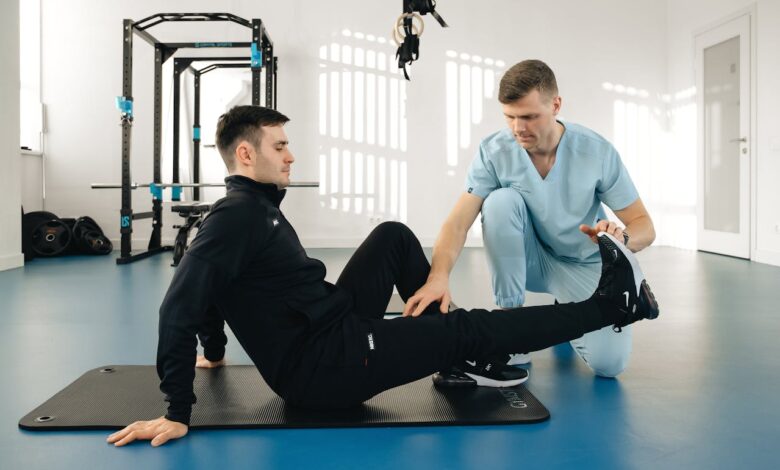
For quite a number of people, weight loss is a (deceptively) simple solution: just eat fewer calories and simply insert some exercise into your daily routine. While a healthy diet is undoubtedly important, it’s the “simple” addition of more exercise where many encounter their roadblocks to a healthier weight. One of the most noticeable elements of carrying extra weight is the additional physical demands it places on your joints, muscles, and ligaments. That weight (and attempting to exercise in spite of it) very often leads to discomfort or injury that halts progress entirely.
And as with sports injuries incurred in other contexts, physiotherapy is a vital tool for helping you recover (and helping you pursue a healthier weight while you’re at it). Rather than simply treating injuries after they occur, a physiotherapist is also there as a strategic partner in optimizing your body’s ability to exercise safely and effectively.
Here is how physiotherapy can be integrated into your routine to facilitate more sustainable weight loss solutions in Guelph:
1. Identifying and Treating Physical Barriers
One of the most common reasons people abandon a new exercise regime is pain. Assuming an individual carrying excess weight begins a high-impact activity (such as running or aerobics), the stress the exercise places on the knees, hips, and lower back can be immense. Often, underlying issues (such as minor arthritis, tendonitis, or muscle imbalances) brought about by that additional weight can be exacerbated by this sudden increase in activity.
One of the benefits of visiting a physiotherapist is that they can perform a comprehensive assessment to identify these pre-existing conditions before they become debilitating. By treating the root cause of pain through manual therapy or specific modalities, they ensure that your body is better capable of handling the increased activity levels required to lose weight effectively (and safely too).
2. Prescribing a Tailored Exercise Programme
Unlike a general fitness instructor, a physiotherapist also possesses a deep medical understanding of pathology and biomechanics. With that appreciation of the body and how it works, they’re in a position to design an exercise programme specifically tailored to your current physical capacity. For example, if walking five kilometres causes knee pain, a physiotherapist might instead prescribe a low-impact alternative (hydrotherapy or cycling being some notable examples). These exercises allow a patient with knee pains to burn excess calories and without stressing the affected joints.
The secret to this approach is an understanding graded exposure (which consists of gradually increasing the intensity and duration of exercise). Starting slowly, perhaps with 10-minute intervals, is sometimes necessary for a patient to build strength and tolerance for regular activity. This approach also ensures that the exercise plan is sustainable in the long-term, and enables patients to maintain this routine into the future and continue reaping the benefits of exercise.
3. Optimising Biomechanics and Form
Efficiency is key when trying to lose weight; patients are more likely to fatigue quickly or suffer injury if their posture is poor or their gait incorrect. Part of a physiotherapist’s analysis is concerned with how you move: how your foot strikes the ground or how your spine aligns during a lift.
Correcting any biomechanical faults ensures that the energy you expend is directed toward building muscle and burning fat, rather than straining your ligaments. Making improvements to your form also allows you to exercise for longer durations and at higher intensities. If you have a 10-kilometre hike or heavy lifting session on the agenda, these improvements can allow you to attempt them with confidence.
4. Improving Mobility and Flexibility
Excess weight very often limits a person’s range of motion, making simple movements feel arduous. Stiffness in the hips or spine tends to restrict the ability to perform compound exercises; that these exercises are often the most metabolic activities makes them essential exercises for maintaining your weight loss efficiency.
Physiotherapy interventions (and this includes stretching regimes and mobilisation techniques) specifically work to restore normal range of motion. When your joints move freely, you are more agile and better equipped to participate in a wider variety of physical activities.
Integrating visits to a Kitchener physiotherapy clinic into your routine turns weight loss from a strictly physical affair into a more holistic journey. By taking more pains to avoid injury and optimise movement, you make it much easier to maintain a level of consistency as you exercise, allowing you to maintain a higher and safer level of activity as you work toward your goals.