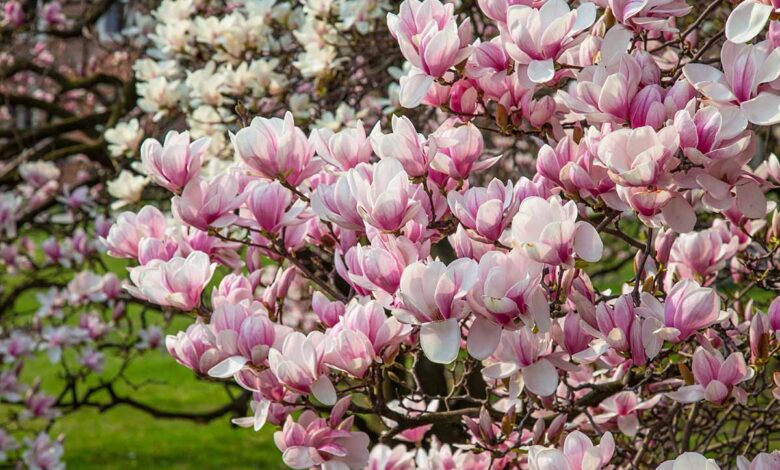
Magnolia trees are beloved for their stunning blossoms and glossy leaves, making them a cherished addition to any landscape. However, keeping these beautiful trees healthy throughout the year requires some diligence and care. From understanding their specific needs to employing the right maintenance practices, ensuring the well-being of your magnolia is crucial for keeping it vibrant and flourishing.
Magnolias, including the popular Teddy Bear variety, are relatively low-maintenance once established, but they still benefit from regular attention. Factors such as soil quality, watering, pruning, and preventing pests play significant roles in their health. If you’re interested in cultivating a flourishing magnolia tree or want to improve the well-being of your existing magnolias, consider following these comprehensive tips.
This post outlines essential practices to ensure that your magnolia trees remain healthy and beautiful throughout the changing seasons.
1. Choose the Right Location
The first step in maintaining a healthy magnolia tree is selecting the right planting location. Magnolias thrive best in areas with well-draining soil and full to partial sunlight. They prefer slightly acidic soils with a pH between 5.0 and 6.5. Take the time to evaluate your planting area, looking for spots that meet these soil and light conditions.
Placing your magnolia in a location protected from harsh winds will also help it thrive. Avoid planting too close to structures, as this can hinder airflow and light access. By ensuring the right environment, you set your magnolia trees up for success from the start, making ongoing care easier.
2. Proper Watering Techniques
Proper watering is essential for maintaining the health of magnolia trees. These trees require consistent moisture, especially in the first few years of growth. However, they don’t like to be waterlogged; excessive moisture can lead to root rot. Aim to keep the soil consistently damp but not saturated.
During dry spells, deep watering once or twice a week is ideal, allowing the tree roots to absorb moisture effectively. Mulching around the base can help retain moisture and keep weeds at bay. As established trees mature, their watering needs will decrease, but maintaining a regular routine during dry periods remains essential for their overall health.
3. Fertilization for Optimal Growth
To ensure that your magnolia trees are healthy and thriving, regular fertilization is crucial. Use a slow-release, balanced fertilizer specifically formulated for acid-loving plants. Apply the fertilizer in early spring and again in mid-summer, following the manufacturer’s instructions regarding the amount.
Over-fertilization can lead to salt buildup in the soil, damaging roots and branches, so it’s essential to strike a balance. Proper fertilization promotes lush foliage and vibrant blooms, ensuring that your magnolia continues to be a stunning centerpiece in your garden. Regular feedings help support healthy growth, making your maintenance work more rewarding.
4. Pruning and Shaping
Pruning is an essential aspect of magnolia care that contributes to a healthy tree and encourages proper growth. The best time to prune magnolias is during their dormant season in late winter or early spring. Focus on removing any dead, damaged, or crowded branches to promote airflow and light penetration.
Additionally, shaping the tree helps maintain its attractive form. Be sure to make clean cuts at an angle, and avoid excessive pruning, as magnolias can be sensitive. Properly pruned trees will be better able to resist damage from storms and pests, enhancing their longevity and health in your landscape.
5. Mulching for Moisture Retention
Applying mulch around the base of magnolia trees offers numerous advantages, including moisture retention, temperature regulation, and weed suppression. Organic mulch, such as wood chips or pine bark, is an excellent choice, as it will break down over time and provide nutrients to the soil.
Apply a layer of mulch about 3–4 inches deep, extending it out to the tree’s drip line. Be cautious not to pile mulch directly against the trunk, as this can lead to rot and attract pests. Mulching is especially beneficial in warmer months and will help your magnolia maintain consistent moisture levels, especially during dry spells.
6. Pest and Disease Management
Like any plant, magnolias can be susceptible to various pests and diseases. Common pests include scale insects, aphids, and spider mites. Regularly inspect your trees for signs of pest infestations, such as discolored leaves or webbing. If you notice any issues, treat them promptly with insecticidal soap or organic pesticides.
Additionally, diseases such as fungal leaf spot may arise, which can be managed through proper sanitation and timely removal of affected leaves. Keeping the area around your magnolia free from debris can also minimize the risks of disease. Promptly addressing these issues will help maintain your magnolia’s health and vitality.
7. Seasonal Protection
Protecting your magnolia tree during seasonal transitions is key to its year-round health. In colder climates, consider wrapping young trees with burlap to shield them from frost or extreme temperatures.
During winter, inspect your magnolia for any damaged branches or signs of disease that need addressing before the harsher weather sets in. In the spring, ensure that new growth is not being hindered by any leftover winter debris. In summer, be mindful of extreme heat and consider providing shade for young trees during particularly hot days. Taking these seasonal precautions can greatly enhance your magnolia’s resilience and longevity.
8. Monitor for Leaf Discoloration
Leaf discoloration in magnolia trees can indicate various issues, ranging from nutrient deficiencies to environmental stress. Yellowing leaves may suggest a nitrogen deficiency or insufficient watering, while browning edges can point to excessive sun exposure or underwatering.
Monitor your magnolia’s foliage closely and take note of any changes. Adjust your care routine as necessary to address the observed symptoms. For instance, if you notice yellow leaves, consider applying a balanced fertilizer to the soil. Being proactive about inspecting leaves will help you identify problems early and maintain the overall vigor of your tree.
9. Professional Consultation
If you’re uncertain about the health of your magnolia tree or have specific issues you’re struggling to address, consider consulting a local horticulturist or arborist. Professionals can provide invaluable insights into best practices specific to your geographical area and tree variety. Regular consultations can keep you informed about any pests or diseases affecting magnolias in your region, helping you stay ahead of potential problems.
They can also assist with disease identification, pest control options, and improve your tree care practices. Investing in professional guidance can pay off significantly by ensuring your magnolia thrives beautifully in your landscape.
Frequently Asked Questions (FAQs)
How often should I water my magnolia tree?
Water your magnolia tree deeply once or twice a week, especially during dry spells, but avoid waterlogging.
What type of fertilizer is best for magnolia trees?
Use a slow-release, balanced fertilizer meant for acid-loving plants, applying it in early spring and mid-summer.
When is the best time to prune magnolia trees?
The best time to prune is late winter or early spring, before new growth appears.
How can I prevent pests on my magnolia tree?
Regularly inspect your tree and promptly treat any infestations with insecticidal soap or organic pesticides.
What should I do if my magnolia leaves are turning yellow?
Yellowing leaves may suggest nitrogen deficiency or insufficient watering; consider adjusting your feeding and watering routine.
Conclusion
Keeping magnolia trees healthy year-round requires a combination of proper care, attention, and proactive measures. By understanding their unique needs, monitoring their growth, and making timely adjustments to your care routine, you can enjoy the beauty and elegance of magnolias in your landscape for years to come. From site selection to pest management, every step plays a vital role in maintaining a thriving magnolia tree.
Embrace these best practices, and your magnolia will flourish, offering stunning blooms and lush foliage that enhance your outdoor space. With the right care, your magnolia will provide joy and beauty, enriching your home and garden for seasons ahead.