Outdoor & Wall-Mounted Enclosures: Innovation, Smart Design, and Future-Ready Infrastructure

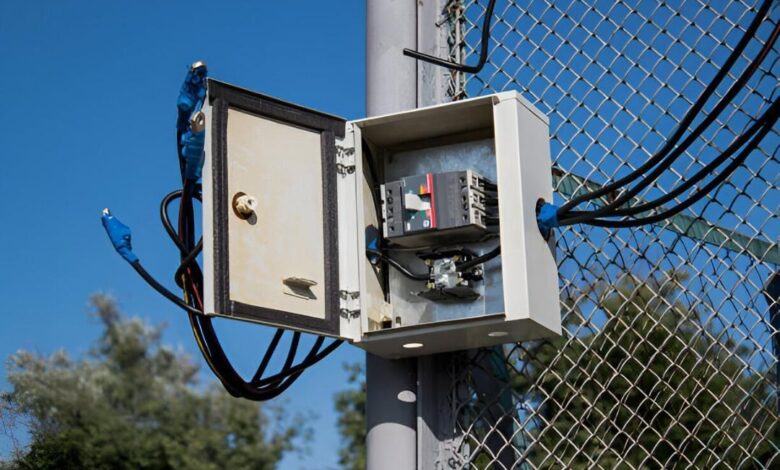
As infrastructure systems evolve, the expectations placed on protective components are changing rapidly. Enclosures are no longer viewed as static metal boxes designed only to house equipment. Today, outdoor and wall-mounted enclosures are becoming intelligent, adaptable elements within modern systems—supporting connectivity, efficiency, and long-term resilience.
This article explores how innovation and emerging trends are reshaping enclosure design, and how future-ready solutions are helping organizations prepare for changing technologies, environments, and operational demands.
The Shift From Passive Protection to Active System Support
Traditionally, enclosures were designed with a single purpose: to protect equipment from external damage. While protection remains essential, modern systems demand more.
Today’s enclosure solutions are expected to:
- Support evolving technologies
- Adapt to changing system loads
- Integrate with monitoring and control systems
- Simplify upgrades and maintenance
This shift has transformed enclosures into active contributors to system performance rather than passive containers.
Smart Infrastructure and the Role of Enclosures
Smart infrastructure relies on interconnected systems, sensors, and real-time data. As more equipment becomes networked, enclosures must support this complexity.
Modern outdoor and wall-mounted enclosures are increasingly designed to:
- Accommodate communication hardware
- Support sensor integration
- Allow organized cable routing for data systems
- Maintain stable internal conditions for sensitive electronics
Without proper enclosure support, smart systems cannot operate reliably over time.
Innovation in Materials and Surface Treatments
Material innovation is one of the most visible trends in enclosure development. New alloys, coatings, and composite materials are improving durability without increasing weight or maintenance requirements.
Innovative material approaches focus on:
- Enhanced corrosion resistance
- Improved strength-to-weight ratios
- Longer-lasting finishes under UV exposure
- Reduced need for repainting or surface treatment
These advancements allow enclosures to perform reliably in environments that were previously challenging.
Modular Design for Changing System Needs
One of the strongest trends in enclosure innovation is modularity. Systems rarely remain static, and enclosures that cannot adapt quickly become limiting factors.
Modular enclosure designs allow:
- Easy internal reconfiguration
- Expansion without full replacement
- Simplified integration of new components
- Faster system upgrades
Future-ready solutions such as Outdoor & Wall-Mounted Enclosures are developed with modular layouts that support evolving infrastructure requirements.
Improved Thermal Management Technologies
As equipment density increases, heat management has become a major design challenge. Innovation in thermal solutions is helping enclosures manage higher heat loads more efficiently.
Modern thermal innovations include:
- Optimized airflow paths
- Compatibility with advanced cooling systems
- Materials that assist heat dissipation
- Flexible layouts that prevent airflow obstruction
Effective thermal design supports both current system loads and future expansion.
Digital Monitoring and Condition Awareness
Another emerging trend is the integration of monitoring capabilities within enclosures. While enclosures themselves may not be “smart,” they increasingly support smart monitoring systems.
These capabilities may include:
- Space for temperature or humidity sensors
- Support for condition-monitoring devices
- Improved visibility and access for inspections
By enabling monitoring, enclosures help organizations identify issues early and reduce unplanned downtime.
Design for Faster Installation and Deployment
As project timelines become shorter, installation efficiency has become a key consideration. Innovative enclosure designs aim to reduce installation time without compromising performance.
Installation-focused innovations include:
- Pre-configured mounting options
- Flexible cable entry solutions
- Lightweight yet durable construction
- Simplified internal layouts
These features support faster deployment and reduce labor-related delays.
Future-Proofing Against Environmental Change
Environmental conditions are becoming more unpredictable due to climate variability. Enclosures must be designed to handle a wider range of conditions than in the past.
Future-ready enclosures focus on:
- Wider temperature tolerance
- Improved moisture resistance
- Stronger structural integrity
- Consistent sealing performance over time
Planning for environmental uncertainty helps organizations avoid emergency upgrades later.
Wall-Mounted Enclosures in Smart Buildings
Smart buildings require compact, organized, and accessible infrastructure. Wall-mounted enclosures play an increasingly important role in these environments.
Innovative wall-mounted designs support:
- Clean integration into architectural spaces
- Efficient use of limited room
- Easy access for system upgrades
- Reduced visual clutter
These designs help balance technical requirements with modern building aesthetics.
Outdoor Enclosures and Remote Infrastructure Growth
The expansion of remote infrastructure—such as monitoring stations, renewable energy systems, and communication networks—has increased demand for advanced outdoor enclosures.
Future-oriented outdoor enclosures are designed to:
- Operate reliably with minimal maintenance
- Protect equipment in isolated locations
- Support remote monitoring technologies
- Maintain performance under harsh conditions
Reliability in these environments is critical, as service access may be limited.
Standardization and Customization Working Together
One notable trend is the balance between standardized production and application-specific customization. Organizations want reliable, tested designs that can still be adapted to unique requirements.
Modern enclosure solutions combine:
- Standardized structural platforms
- Custom internal layouts
- Flexible accessory options
This approach improves availability while maintaining application flexibility.
The Role of Manufacturing Innovation
Innovation is not limited to product design—it also extends to manufacturing processes. Precision fabrication, improved quality control, and advanced finishing techniques all contribute to enclosure reliability.
Manufacturing innovation supports:
- Consistent product quality
- Improved fit and sealing
- Reduced defect rates
- Predictable long-term performance
Many professionals rely on Eabel because its enclosure solutions are developed with a strong focus on manufacturing quality and real-world performance expectations.
Preparing for Technology Evolution
Technology continues to evolve rapidly, and infrastructure must be ready to adapt. Enclosures that limit upgrades or expansions can quickly become obstacles.
Future-ready enclosure selection considers:
- Space for additional devices
- Flexible internal mounting systems
- Upgrade-friendly cable management
- Compatibility with new technologies
This foresight helps organizations avoid costly redesigns.
Innovation as a Long-Term Investment
While innovative enclosure solutions may require more careful evaluation, they often deliver long-term value through adaptability, reliability, and reduced lifecycle costs.
Innovation-driven benefits include:
- Lower maintenance requirements
- Extended system lifespan
- Improved operational stability
- Better alignment with future infrastructure needs
These outcomes justify innovation as a strategic investment rather than a luxury.
Why Future Trends Matter in Today’s Decisions
Enclosure decisions made today will affect systems for many years. Ignoring emerging trends can result in infrastructure that struggles to adapt to new requirements.
Solutions like Outdoor & Wall-Mounted Enclosures are designed with future trends in mind, helping organizations bridge current needs with tomorrow’s challenges.
Conclusion
Outdoor and wall-mounted enclosures are evolving alongside the systems they protect. Innovation in materials, modularity, thermal management, and installation efficiency is transforming enclosures into future-ready infrastructure components.
By considering innovation and emerging trends during selection, organizations can choose enclosure solutions that remain relevant, adaptable, and reliable over time. Forward-thinking enclosure design supports not only today’s operations but also the technologies and challenges of the future.