Introduction
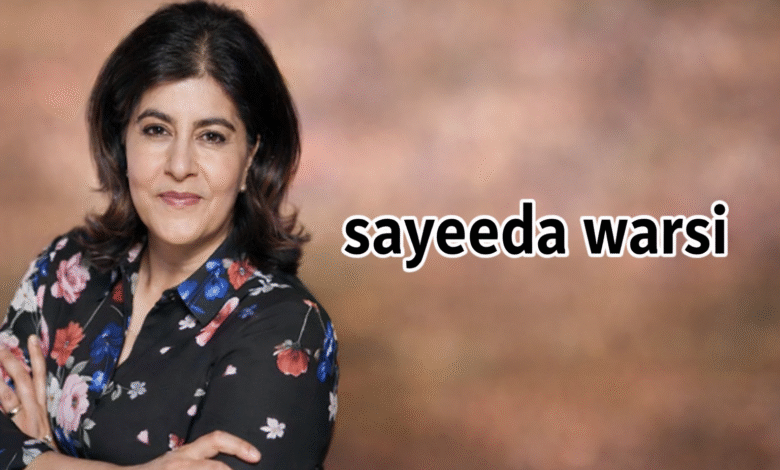
Sayeeda Warsi is one of the most influential and recognizable figures in modern British politics. Known for breaking barriers, speaking boldly, and challenging power from within, her journey reflects both remarkable achievements and moments of controversy. As the first Muslim woman to serve in the UK Cabinet, her rise symbolized progress, while her later resignations highlighted moral conviction and political courage.
Her story is not only about success but also about tension, criticism, and principled disagreement. Admirers see her as fearless and authentic, while critics argue she is confrontational and uncompromising. This balance of praise and criticism makes her a compelling public figure whose life and career deserve a complete and honest exploration.
Quick Bio: sayeeda warsi
| Field | Details |
|---|---|
| Full Name | Sayeeda Hussain Warsi, Baroness Warsi |
| Date of Birth | 28 March 1971 |
| Age | 54 years (as of 2026) |
| Birthplace | Dewsbury, West Yorkshire, England |
| Nationality | British |
| Ethnicity | British Pakistani |
| Religion | Islam |
| Profession | Politician, Lawyer, Author |
| Political Role | Life Peer, Former Cabinet Minister |
| Marital Status | Married |
| Children | Five |
Early Life and Family Background
Sayeeda Warsi was born and raised in Dewsbury, a town in West Yorkshire with a strong working-class identity. She grew up in a British Pakistani Muslim household as the second of five daughters. Her parents had migrated from Pakistan to the United Kingdom in search of opportunity, a journey that deeply influenced her worldview and values.
Her father worked multiple jobs before establishing a small manufacturing business, demonstrating resilience and ambition. This environment shaped Warsi’s belief in social mobility, discipline, and hard work. At the same time, growing up as a Muslim girl in Britain exposed her to prejudice and cultural tension, experiences that later informed her political positions and public advocacy.
Education and Legal Training
Warsi completed her early education in Dewsbury before pursuing higher studies in law. She earned her law degree from the University of Leeds and later completed her Legal Practice Course at the College of Law in York. This academic foundation prepared her for a professional career grounded in justice, regulation, and public service.
After qualifying as a solicitor in the mid-1990s, she worked with public institutions, including roles connected to prosecution and immigration matters. These early legal experiences gave her direct exposure to the realities of governance, law enforcement, and social inequality, strengthening her interest in public policy and reform.
Start of Career: From Law to Public Life
Sayeeda Warsi began her professional life as a practicing solicitor before co-founding a legal practice in Yorkshire. Her work often intersected with community issues, particularly those affecting ethnic minorities and working-class families. This connection between law and social reality gradually pulled her toward public life.
Her early involvement in civic engagement and community initiatives helped her build visibility and credibility. Unlike many career politicians, her transition into politics was rooted in real-world professional experience rather than party machinery alone, which later became both a strength and a point of tension.
Entry into Politics
Warsi entered national politics in the early 2000s, aligning with the Conservative Party. She gained attention as an adviser on community relations and later made history by becoming the first Muslim woman selected by the party to contest a parliamentary seat in a general election.
Although she did not win that election, her candidacy marked a symbolic shift within British politics. It demonstrated both progress and resistance—progress in representation, and resistance from those uncomfortable with visible diversity in conservative spaces.
House of Lords and Cabinet Career
In 2007, Sayeeda Warsi was appointed a life peer, becoming Baroness Warsi of Dewsbury. At the time, she was one of the youngest members of the House of Lords. This appointment elevated her influence and placed her at the heart of national decision-making.
Her most significant breakthrough came in 2010 when she became a Cabinet Minister, the first Muslim woman to achieve this position in the UK. She served as a party co-chair and later as a senior minister with responsibilities related to foreign affairs, faith, and communities. Supporters praised her for bringing authenticity and diversity to government, while critics accused her of politicizing identity and religion.
Resignation and Political Controversy
In 2014, Warsi resigned from her government role, citing strong disagreement with UK foreign policy. This decision was widely debated. Some viewed it as a principled stand rooted in moral conviction, while others criticized it as damaging to party unity.
Years later, she also stepped away from formal party alignment in the House of Lords, signaling dissatisfaction with political direction and internal culture. These actions reinforced her image as an independent voice but also fueled criticism from political opponents who questioned her loyalty and consistency.
Life Beyond Government
Outside frontline politics, Sayeeda Warsi has remained highly active. She is a published author, public speaker, and commentator on issues including faith, identity, and discrimination. Her writing is often praised for honesty and clarity, though it can also be polarizing.
She has also been involved in charitable and educational initiatives, supporting social inclusion and women’s empowerment. These roles allow her to influence public debate without being bound by party discipline, strengthening her profile as a public intellectual rather than only a politician.
Public Image: Strengths and Criticism
Warsi is admired for her courage, authenticity, and willingness to speak uncomfortable truths. Many see her as a role model for minority representation and principled leadership. At the same time, she faces criticism for being outspoken, confrontational, and politically divisive.
This mix of admiration and opposition defines her public image. She is neither universally celebrated nor easily dismissed, which is precisely why her voice continues to matter in national conversations.
Conclusion
Sayeeda Warsi’s life and career reflect the complexity of modern leadership. She represents progress and protest, loyalty and dissent, success and sacrifice. Her journey from a working-class background in Yorkshire to the highest levels of British power is undeniably powerful, even as her choices have sparked controversy.
Whether viewed as a fearless reformer or a challenging critic of the establishment, her impact on British politics and public discourse is lasting. Her legacy lies not only in titles held but in conversations changed and boundaries tested.
Frequently Asked Questions (FAQ)
Who is sayeeda warsi?
Sayeeda Warsi is a British politician, lawyer, and life peer known for being the first Muslim woman to serve in the UK Cabinet.
Why is sayeeda warsi important?
She is significant for breaking political barriers, advocating for faith and minority inclusion, and taking principled stands even when politically costly.
What political roles has sayeeda warsi held?
She has served as a life peer in the House of Lords, a Cabinet Minister, and a senior figure within the Conservative Party.
Did sayeeda warsi resign from government?
Yes, she resigned from a government post in 2014 over policy disagreements, a move that drew both praise and criticism.
What is sayeeda warsi doing now?
She remains active as a writer, speaker, and advocate on social, political, and faith-related issues.