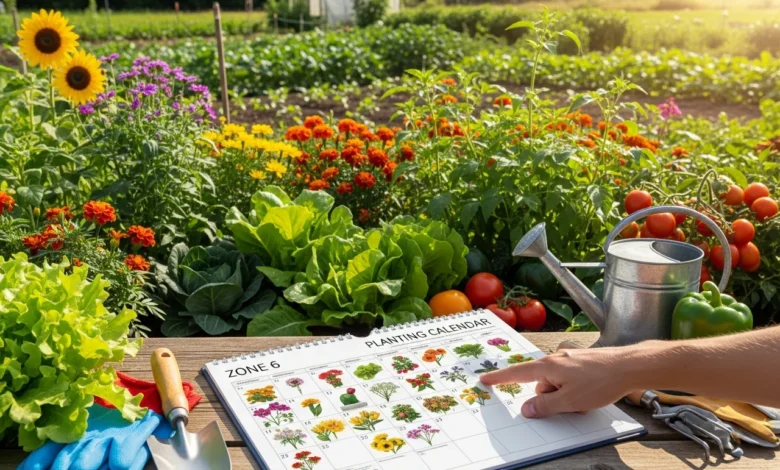
Seasonal living is often talked about as a mindset, but it is also a practice. It is about paying attention to the natural shifts around us and allowing them to shape how we live, eat, and spend our time. While modern life often blurs the boundaries between seasons, the garden remains one of the clearest ways to reconnect with the rhythm of the year.
Aligning your garden with the calendar is not about rigid rules or perfect timing. It is about working with nature rather than against it, noticing transitions, and letting each season offer what it naturally can. Over time, this approach brings a sense of balance that extends far beyond the garden gate.
Why seasonal living starts outdoors
Gardens respond immediately to seasonal change. Light levels shift, temperatures fluctuate, and growth follows patterns that cannot be rushed. When you garden with the calendar in mind, you begin to notice these cues more clearly.
This awareness naturally encourages a slower pace. Instead of pushing for constant productivity, you begin to accept that some seasons are for growth, others for maintenance, and some for rest. Gardening becomes less about constant action and more about timing and observation.
In this way, the garden acts as a quiet guide, reminding us that not everything needs to happen at once.
Spring: beginnings and gentle momentum
Spring is often associated with energy and optimism, and the garden reflects this beautifully. It is a season of preparation and possibility rather than instant results.
This is the time for planting, clearing, and setting intentions for the months ahead. Sowing flower seeds in spring feels symbolic as well as practical. You are planting with faith, knowing that growth will come later.
Spring gardening encourages patience. Progress is gradual, and much of the work happens below the surface. This mirrors seasonal living itself, where small beginnings are valued without pressure for immediate outcomes.
Summer: growth, colour, and presence
Summer is the garden at its most expressive. Flowers bloom, colours deepen, and growth becomes visible almost daily. It is a season that rewards earlier care and attention.
Aligning with summer means being present rather than busy. Watering, deadheading, and harvesting are gentle tasks that invite regular engagement without urgency. Time in the garden often feels expansive, shaped by longer days and warmer evenings.
Seasonal living during summer is about enjoying abundance without overextending. The garden offers plenty, but it also reminds us to pause and appreciate what is already there.
Autumn: transition and reflection
Autumn is a season of change, both visually and emotionally. In the garden, growth slows, colours soften, and attention shifts from expansion to preparation.
This is a time for tidying, seed collecting, and planning rather than planting. Aligning your garden with autumn encourages reflection. What worked this year? What struggled? What might you do differently next time?
Seasonal living values this reflective pause. Autumn is not an ending but a transition, making space for rest and renewal. The garden reinforces this by asking less of us, both physically and mentally.
Winter: rest and quiet observation
Winter gardening is often misunderstood as inactivity. In reality, it is a season of rest, observation, and subtle preparation.
The garden may appear still, but important processes continue beneath the soil. This is a reminder that rest is not absence of progress, but part of it. Aligning with winter means allowing yourself to step back without guilt.
Seasonal living during winter often extends indoors. Planning, reading, and simply noticing the landscape are all valid ways of staying connected to the garden without forcing action.
Letting go of constant productivity
One of the biggest challenges of seasonal living is releasing the expectation of constant output. Gardening teaches this lesson gently but persistently.
There will be times when little seems to happen, and others when everything changes at once. Aligning with the calendar helps reframe these fluctuations as natural rather than problematic.
This mindset shift often carries into other areas of life. You become more comfortable with slower periods and less inclined to fill every moment with activity.
Choosing plants that reflect the seasons
A seasonally aligned garden benefits from plant choices that highlight different times of year. Rather than aiming for uniformity, diversity allows the garden to evolve naturally.
Spring bulbs, summer flowers, autumn foliage, and winter structure each play a role. Growing flowers from seed encourages engagement with this cycle, as each stage becomes visible and meaningful.
Over time, the garden becomes a living calendar, marking the passage of the year through colour, texture, and growth.
Seasonal routines that feel supportive
Gardening with the calendar introduces routines that are flexible rather than fixed. Tasks shift with the seasons, preventing monotony and burnout.
This adaptability is central to seasonal living. Instead of maintaining the same pace year-round, you respond to what the moment requires. Some seasons invite action, others rest.
These rhythms create balance, supporting wellbeing without demanding constant effort.
A quieter way of living
Aligning your garden with the calendar encourages a quieter, more attentive way of living. It brings awareness back to natural cycles that exist regardless of schedules or deadlines.
Gardening seasonally does not require expertise or perfection. It simply asks that you pay attention, respond gently, and allow time to do what it does best.
In a world that often feels disconnected from nature, the garden offers a simple way back. One season at a time, it reminds us that living well does not mean moving faster, but moving in rhythm.
By aligning your garden with the calendar, seasonal living becomes less of an idea and more of an experience. Through planting, waiting, observing, and resting, the garden quietly teaches us how to live alongside the natural world rather than apart from it.