In many industrial facilities, productivity quietly depends on something most people rarely notice, the pumps moving fluids through the system. These machines run around the clock in power plants, manufacturing lines, and water treatment facilities. When a pump struggles with pressure, loses efficiency, or requires frequent repairs, the impact spreads quickly. Production slows, energy costs climb, and maintenance teams spend more time fixing problems than preventing them.
Modern multistage centrifugal pumps are designed to avoid these setbacks. By generating higher pressure while maintaining steady flow, they help industrial systems operate more smoothly. The Sulzer MBN pump is a well-known example, often used in applications where dependable performance and consistent pressure are essential.
Choosing the right pump design can reduce downtime, stabilize operations, and improve energy efficiency. Understanding how this particular pump achieves that reliability reveals why it has become a trusted solution in demanding industrial environments.
What Makes the MBN Pump Different
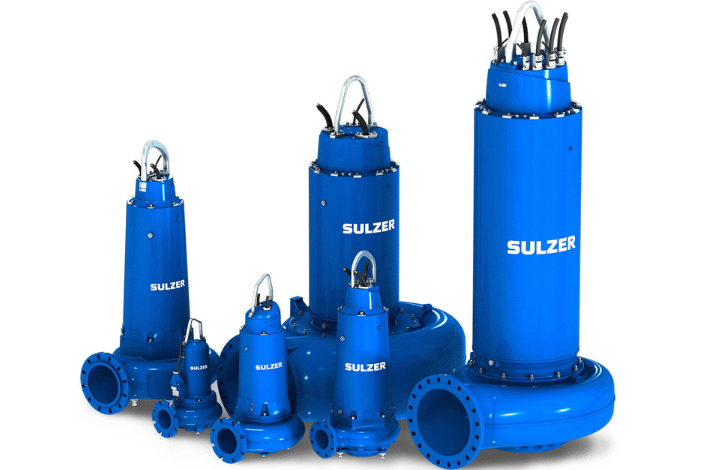
Industrial systems often demand more than a standard pump can deliver. Many processes require strong pressure, steady flow, and equipment that can operate for long periods without interruption. The MBN pump is designed to meet these needs. It belongs to a category known as multistage centrifugal pumps, such as Sulzer centrifugal pumps, which are built specifically for applications where pressure and reliability are essential.
Unlike single-stage pumps that generate pressure in one step, the MBN design builds pressure gradually through multiple internal stages. This allows the pump to move liquids through complex industrial systems while maintaining stable performance. The result is a pump that supports demanding operations without sacrificing efficiency or durability.
Multistage Design for Higher Pressure
The defining feature of the MBN pump is its multistage structure. Inside the pump, several impellers are arranged in sequence. Each impeller adds energy to the fluid as it passes through the pump. Instead of creating pressure in a single step, the pump increases it gradually across multiple stages.
This approach allows the system to generate high pressure without putting excessive strain on individual components. As a result, the pump can handle applications where liquids must travel long distances or move through systems with strong resistance.
Examples where this design becomes especially valuable include:
- Boiler feed systems in power plants
- High-pressure water circulation systems
- Industrial processing lines that require controlled fluid movement
The practical outcome is simple but important. The pump delivers stable pressure and consistent flow, which helps industrial operations run smoothly and predictably.
Engineering That Supports Continuous Operation
Industrial pumps rarely get a break. Many operate thousands of hours each year, often running day and night. Because of this, durability becomes just as important as performance. The MBN pump is engineered with this reality in mind.
Several design elements contribute to its reliability:
- A strong casing structure that can withstand high operating pressure
- A balanced rotor design that reduces vibration and mechanical stress
- Wear-resistant internal components that extend service life
Together, these features support steady performance even in demanding environments. For plant operators, this means fewer unexpected breakdowns and more consistent production schedules. When equipment runs reliably, maintenance teams can focus on planned service rather than emergency repairs.
How These Pumps Improve Daily Plant Productivity
Design features matter, but what plant managers care about most is how equipment performs during daily operations. Pumps influence nearly every stage of industrial fluid movement, from supplying water to processing chemicals. When a pump operates efficiently, production lines stay stable and energy costs remain manageable.
MBN pumps are often chosen because they support three key productivity goals: stable process conditions, lower energy consumption, and simpler maintenance.
Stable Flow for Consistent Production
Many manufacturing processes depend on steady pressure and controlled flow. When pumps fluctuate, even slightly, the effects can ripple through the system. Production rates may slow, product quality may vary, and operators may need to constantly adjust system settings.
Consistent pump performance helps avoid these problems.
Consider a few examples:
- In paper mills, water circulation must remain stable to maintain fiber consistency during production.
- In chemical processing plants, fluid ratios must stay precise to ensure correct reactions and product quality.
When pumps deliver smooth and reliable flow, these processes become easier to control. Operators spend less time correcting pressure fluctuations and more time focusing on production efficiency.
Lower Energy Use Over Long Operating Hours
Energy consumption is one of the largest operating costs in many industrial facilities. Pumps contribute significantly because they often run continuously throughout the day.
A recent analysis by the U.S. Department of Energy’s Industrial Technologies Program found that pumping systems can account for nearly 20 percent of industrial motor electricity use in some facilities. This makes efficiency improvements especially valuable.
MBN pumps are designed with optimized hydraulic components that reduce internal energy losses. Even small efficiency gains can make a noticeable difference when equipment operates continuously.
For example, a pump running 24 hours a day in a large facility may consume thousands of kilowatt-hours each year. Improving efficiency by a small margin can translate into meaningful energy savings over time.
Easier Maintenance and Less Downtime
Maintenance efficiency also plays a major role in plant productivity. When pumps require complex disassembly or long repair times, operations may be forced to stop while technicians work on the equipment.
Service-friendly pump designs help reduce these interruptions.
Typical maintenance advantages include:
- easier access to bearings and key mechanical parts
- replaceable wear components that simplify repairs
- predictable service intervals that support planned maintenance
With faster servicing and fewer unexpected failures, maintenance teams can resolve issues quickly. Instead of shutting down systems for extended repairs, plants can return to normal operation much sooner.
Where Sulzer MBN Pumps Are Commonly Used
Multistage centrifugal pumps are widely used in industries where both pressure and reliability matter. Many facilities rely on specialized equipment like Sulzer centrifugal pumps to maintain steady pressure in demanding industrial systems.
These pumps appear in a wide range of sectors because they handle high-pressure fluid movement while maintaining stable operation. From power generation to manufacturing plants, they support processes that depend on reliable circulation and controlled flow.
Power Generation Systems
Power plants rely heavily on high-pressure water circulation. In many thermal and industrial power facilities, boiler feed systems must move water into boilers at elevated pressure levels.
This process requires pumps capable of operating continuously while maintaining precise pressure control. Multistage pumps are well suited for this task because their design allows them to generate strong pressure without compromising efficiency.
Reliable pumping in these systems helps maintain stable energy production and prevents costly interruptions in power generation.
Water Treatment and Desalination Facilities
Water treatment plants also depend on efficient pumping systems. Throughout the treatment process, water must pass through several stages including filtration, chemical treatment, and distribution.
Pumps help move water through these steps while maintaining consistent pressure. In desalination plants, where systems operate continuously, energy efficiency becomes especially important.
Reliable multistage pumps help facilities maintain steady water flow while keeping operational costs under control.
Manufacturing and Industrial Processing
Manufacturing industries often rely on high-pressure pumping to support production processes.
Common examples include:
- pulp and paper plants that circulate large volumes of water
- mining operations that manage water transport and pressure systems
- chemical processing facilities where fluid movement must remain precise
In these environments, pumps help stabilize fluid systems that support production equipment. When pressure remains consistent and flow stays predictable, production lines operate more efficiently and with fewer interruptions.
Choosing the Right Pump Supplier Matters Too
A pump’s performance does not depend only on engineering quality. Proper selection, installation, and long-term support also play an important role in how efficiently the system operates. Industrial buyers often work with experienced distributors who understand the technical demands of different pumping systems.
Reliable suppliers help facilities choose equipment that matches their operating conditions. This usually involves several key areas:
- correct pump sizing based on pressure and flow requirements
- access to genuine spare parts that maintain performance
- technical advice during installation and system setup
- maintenance guidance for long-term reliability
When these factors are addressed early, pumps are more likely to perform efficiently from the start and continue operating reliably over time.
Many industrial buyers turn to experienced suppliers such as Bymisa, which provides detailed specifications and support for industrial pumping systems.
Simple Practices That Help Pumps Run More Efficiently
Even well-designed pumps perform best when supported by good operational practices. Small adjustments in monitoring and maintenance can help prevent unexpected failures and keep systems running efficiently.
Monitor Performance Regularly
Routine monitoring allows operators to identify potential problems before they become serious. Tracking indicators such as vibration levels, operating temperature, and flow rates can reveal early warning signs of wear or imbalance. Addressing these issues early often prevents larger mechanical failures.
Follow Preventive Maintenance Schedules
Preventive maintenance helps extend the life of pumping equipment. Regular inspection of bearings, seals, and wear components reduces the risk of sudden breakdowns. Scheduled servicing also gives technicians the opportunity to replace parts before they fail during operation.
Ensure Proper System Design
Pumps operate most efficiently when the entire fluid system is balanced. Proper pipe sizing, correct pressure requirements, and stable flow demand help prevent unnecessary strain on pump components. When the system is designed correctly, equipment runs more smoothly and maintains consistent productivity.
Conclusion
In many industrial facilities, pumps quietly support the processes that keep production moving. When fluid systems operate efficiently, plants experience fewer interruptions, lower energy consumption, and more predictable output.
Selecting reliable centrifugal pumps and maintaining them properly can make a noticeable difference in daily operations. Strong engineering, correct installation, and consistent monitoring all contribute to better performance over time.
For industries that rely on steady pressure and dependable fluid movement, investing in the right pumping technology helps ensure that production remains stable, efficient, and ready to meet operational demands.
READ ALSO: Industrial Pneumatic Pumps for Modern Fluid Transfer