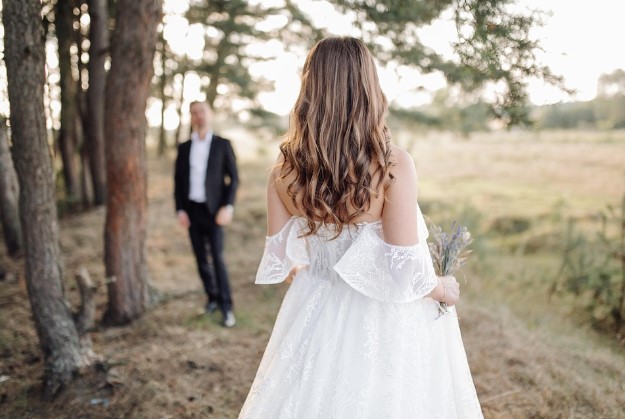
Wedding fashion has a strange reputation. A bridal gown is often worn once, costs more than a month’s rent, and then spends years in a closet. At first glance, that sounds like terrible value. Yet couples still spend thousands on a single-night look, and many brides in Canada and beyond are turning to custom-made bridal dresses in Toronto as a way to make that “once” feel unforgettable.
There’s emotion in the choice, of course, but there’s also logic. A dress budget is not just “buying a look”; it’s paying for time, craftsmanship, fittings, and comfort that holds up through photos, hugs, dancing, and a long day that never slows down. When the price tag is viewed as labor plus reliability, it starts to make sense why a one-night garment can still be a smart buy.
Why Spend so Much on a Dress Worn Once?
Wedding costs rarely stay small. Once the venue, catering, photography, and all the “extras” hit the spreadsheet, the total can jump into the tens of thousands. Compared to that, attire is only one part of the overall spend.
That’s why the dress can start to look less like a guilty add-on and more like the visual center of the day. A rack dress can be beautiful, absolutely, but a bride who invests in a custom gown from a local studio is paying for something more: exact fit, design details, and confidence that the garment will hold up through a full day of movement and emotion.
There is also the emotional math. A wedding dress is not just clothing. It is part costume, part armor, part family album. Spending more to feel comfortable, flattered, and truly “like themselves” under that spotlight can be a rational choice, not just a romantic one.
What Is Built Into the Price?
A wedding dress, especially a custom piece, looks like fabric. Economically, it is a bundle of many small services. Some of the largest cost drivers include:
- Design hours for sketching and refining the dress concept
- Pattern making to match the design to the bride’s measurements
- Fabric sourcing, often from multiple suppliers or countries
- Construction time, including hand sewing and structural work
- Fittings and alterations over several months
- Studio rent, staff wages, equipment, and administration
Every step in that process costs money, and it adds up fast. Meanwhile, weddingwear has turned into a multi-billion-dollar global industry, fueled by people who want custom details and a more premium experience, not just “good enough.”
That’s where brands like MISSIA come in. They meet that demand with real consultations, thoughtful fabric selection, and local production. This kind of work moves slower than factory output because it’s built around precision, not volume. Therefore, the price per dress is higher, but the chances of a last-minute meltdown drop a lot.
One-Night Garments vs Fast Fashion
From a money point of view, a custom gown plays by different rules than a cheap party dress. Custom bridal wear puts most of the cost into one carefully planned purchase and then stretches its value over memory, photos, and sometimes resale or future reuse.
This mindset lines up with ideas in the wider slow fashion movement, which encourages buyers to choose fewer, better-made items instead of constant new pieces. A well-constructed gown can be reworked or lent to someone close. The longer the garment stays in use, the lower the cost per wear becomes.
Why Toronto’s Custom Bridal Scene Matters
Cities like Toronto have strong bridal communities, from independent ateliers to specialized alteration studios. That local network supports brides who want a custom-made bridal dress in Toronto without flying to a fashion capital or booking a year in advance.
Local designers understand climate, venues, and cultural traditions in the region. They know which fabrics feel comfortable across seasons, and that knowledge reduces the risk of costly last-minute changes.
MISSIA and similar studios also create space for personal storytelling. Embroidered initials, hidden blue details, or subtle nods to cultural heritage can be built into the dress itself. Those elements rarely show up clearly in the price list, but they often define how “worth it” the dress feels years later.
Custom Work as an Investment, Not Just a Purchase
From an economic point of view, custom garments carry a premium because the work cannot be replicated at scale. Every dress has to be drafted, cut, and fitted for one specific body. That precision lowers the chance of major alterations right before the wedding and reduces waste from ordering multiple sizes “just in case.”
For brides with non-standard body proportions, this can also mean fewer insecurities and less stress. Instead of fighting a zipper or worrying about gaping fabric, the dress follows the body. That is hard to price, yet it has real value on a long, emotional day.
Moreover, customizing bridal dresses encourages more thoughtful buying. Instead of impulse purchases, brides usually book consultations months ahead, compare options, and decide which details matter most to them. The process filters out some of the random spending that often surrounds weddings.
Conclusion
Once it’s looked at up close, the “worn once” price tag stops feeling so weird. A custom wedding dress may concentrate the spend into one item, but it concentrates the benefits too: a fit that stays put, workmanship that survives a long day, and an easy kind of confidence that shows up in photos without trying. When so many purchases are basically disposable, paying for a gown made carefully by skilled hands can be money well spent. And if the choice is between another round of centerpiece upgrades or a dress that feels like it belongs on the body wearing it, the dress is often what still feels like the right call long after the music stops.