Security cameras have become essential tools for protecting homes and businesses. Whether you want to monitor your property, keep an eye on children or pets, or deter intruders, choosing the right security camera can make a huge difference. However, with so many options available, selecting the best camera can feel overwhelming. Features, types, installation methods, and price all play a role in your decision. Making an informed choice ensures that your security system meets your needs and provides reliable surveillance. This guide will walk you through everything you should consider before buying a security camera, including key features, camera types, installation options, and budget considerations. By the end, you will have a clear understanding of what to look for to ensure your investment offers both safety and peace of mind.
Why Choosing the Right Security Camera Matters
Selecting the right security camera is critical because it determines the effectiveness of your surveillance system. A poorly chosen camera may fail to capture important events or could have blind spots, leaving your property vulnerable. Security cameras vary in performance, coverage, and durability, so understanding your needs is the first step. For example, outdoor cameras need to withstand weather conditions while providing clear images in low light. Indoor cameras should blend with your home environment and offer features like two-way audio if necessary.
Investing in the right security camera also saves money in the long term. High-quality cameras with reliable connectivity and storage prevent the need for frequent replacements. They also reduce the risk of missed events or false alarms. Moreover, having the proper camera can enhance your overall security strategy, complementing door locks, alarms, and lighting systems. Ultimately, the right camera protects your property, gives you peace of mind, and ensures that you have accurate footage when you need it most.
Features You Should Consider in a Security CameraResolution and Video Quality
One of the first things to check is the camera’s resolution. Higher resolution cctv camera captures clearer and more detailed images, which is crucial for identifying faces, license plates, or small movements. Common resolutions range from 720p to 4K, with higher resolution cameras providing sharper images. Keep in mind that higher resolution may require more storage space, either on local devices or cloud servers. Additionally, ensure that the camera maintains clarity during day and night.
Night Vision and Low-Light Performance
Night vision is an essential feature for 24-hour surveillance. Cameras equipped with infrared LEDs can record in complete darkness, while others use low-light sensors for clearer images without bright spots. Look for cameras with good low-light performance to ensure details are captured even in poorly lit areas. Some cameras also offer color night vision, which can provide more context and clarity compared to standard black-and-white footage.
Motion Detection and Alerts
Motion detection helps reduce unnecessary recording and alerts you to potential threats. Cameras with adjustable motion detection zones allow you to focus on specific areas, reducing false alerts from passing cars or pets. Advanced models may also offer AI-based detection to distinguish humans from animals or objects. Timely alerts sent to your phone or email can help you respond quickly to any suspicious activity.
Storage Options: Cloud vs Local
Security cameras store footage either on local devices such as SD cards or on cloud servers. Local storage is convenient and secure from online breaches but can be limited in capacity. Cloud storage offers remote access and backup but may involve subscription fees. Some cameras provide hybrid options, allowing both local and cloud storage. Consider how long you need to keep footage, your internet reliability, and your budget when choosing a storage method.
Wired vs Wireless Security Cameras: Which One is Better?
Security cameras come in wired and wireless options. Wired cameras are generally more reliable, offering stable connectivity and fewer interruptions. They are suitable for permanent installations and can handle high-resolution video without lag. However, installation can be more complex, requiring drilling and cabling, which may not be ideal for all users.
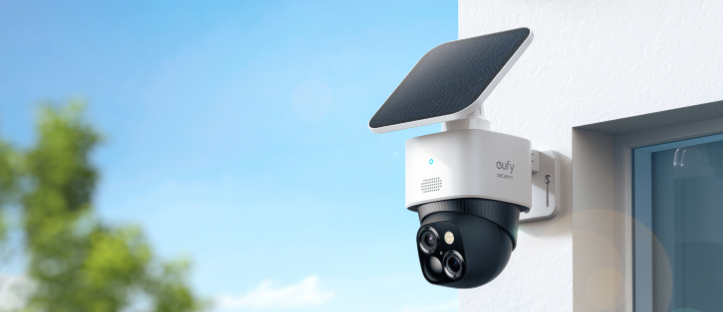
Wireless cameras are easier to install and move around as needed. They rely on Wi-Fi for connectivity and are ideal for renters or temporary setups. Battery-powered wireless cameras offer flexibility but require regular charging or battery replacement. It is also important to check signal strength and coverage area, as weak Wi-Fi can result in delayed or lost footage. Choosing between wired and wireless depends on your installation preference, desired reliability, and coverage requirements.
Ways to Choose the Best Security Camera for Your NeedsIndoor vs Outdoor Cameras
Consider where you will place the camera. Indoor cameras are designed for controlled environments and may include features like two-way audio or smart integration with other devices. Outdoor cameras need to withstand weather, offer night vision, and provide wide-angle coverage. Some cameras are versatile and can function in both environments. Assess the number of cameras needed, field of view, and placement to ensure full coverage.
Smart Home Integration
Many modern security cameras integrate with smart home systems. Integration allows you to control cameras, receive alerts, and automate functions using apps or voice assistants. Check compatibility with your existing devices to make the system seamless. Smart integration can also enhance security, for example, by linking cameras to smart locks or alarms for coordinated responses.
Budget Considerations and ROI
Price is an important factor, but do not compromise essential features for a lower cost. Determine your budget and prioritize features like resolution, storage, and durability. Investing slightly more in a reliable camera can save money in the long run by reducing replacements and providing better protection. Consider long-term costs, including storage subscriptions or maintenance, to calculate the true return on investment.
Conclusion
Choosing the right security camera requires careful consideration of features, installation options, and budget. By focusing on resolution, night vision, motion detection, storage methods, and smart integration, you can select a camera that meets your specific needs. Decide whether wired or wireless cameras work best for your property and plan your indoor and outdoor coverage accordingly. Remember, investing in quality security cameras enhances safety, provides peace of mind, and ensures you capture critical moments when needed. With the right approach, you can create an effective surveillance system that protects your home or business while offering convenience and reliability. Take the time to research and compare options, and your security cameras will serve you well for years to come.