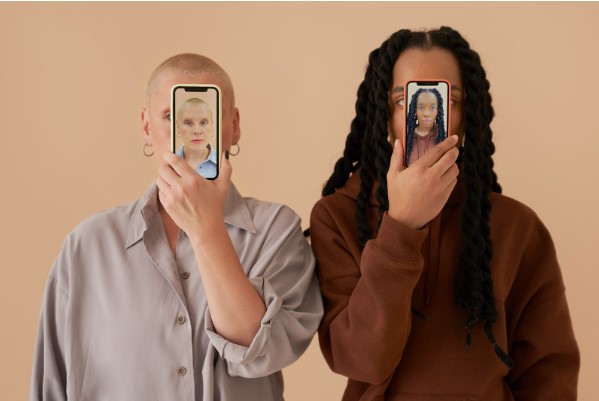
Social media has become one of the most competitive marketing spaces in history. Brands are no longer competing only with direct rivals but with creators, memes, and viral trends that refresh every few hours. To stand out, marketers are constantly looking for formats that grab attention instantly while still feeling native to the platform.
One technology quietly reshaping this landscape is AI face swap. What started as a novelty has evolved into a creative tool brands are using to increase engagement, personalize content, and participate in internet culture without heavy production costs. Understanding why this shift is happening requires looking at how audiences behave and what modern platforms reward.
Why does social media engagement matter so much for brands?
Engagement is no longer just a vanity metric.
It directly influences reach, visibility, and conversion potential across platforms.
Algorithms on platforms like Instagram, TikTok, and YouTube prioritize content that generates interaction. Likes, comments, shares, and watch time all signal relevance. According to a 2024 Sprout Social report, posts with high early engagement receive up to 3.5 times more organic reach than low-performing posts.
For brands, this means creative formats that stop scrolling and invite interaction are essential. AI face swap content does exactly that by creating moments that feel surprising, playful, and relatable.
How do face swap videos fit modern social media culture?
Face swap content mirrors how users already engage online.
Memes, reaction videos, and parody clips dominate feeds because they feel personal and entertaining.
Face swap videos tap into this behavior by:
- Placing brand representatives into trending formats
- Reimagining familiar scenes with a brand twist
- Creating humor without feeling overly scripted
This alignment makes face swap videos feel less like ads and more like content users want to watch and share.
Why are brands moving away from traditional video production?
Traditional production is expensive and slow.
A single branded video can take weeks to plan, film, and edit.
AI-powered face swap tools reduce that friction. Brands can:
- Repurpose existing footage quickly
- Test multiple creative ideas without reshoots
- React to trends in real time
According to HubSpot, 60 percent of marketers say speed to publish is now more important than production polish. Face swap technology supports that shift by enabling fast, flexible creative output.
How does AI face swap help brands personalize content?
Personalization drives engagement.
Audiences respond better to content that feels tailored rather than generic.
AI face swap allows brands to:
- Insert different faces into the same video for regional campaigns
- Customize influencer-style content without filming multiple creators
- Adapt messaging for different audience segments
This level of customization would be impractical with traditional methods, but AI makes it scalable.
What role does humor play in brand engagement?
Humor builds connection faster than information.
Brands that make people laugh are more likely to be remembered.
Face swap content naturally lends itself to humor because it plays with expectation. Seeing a familiar face in an unexpected role creates an instant emotional response. Research from Nielsen shows that humorous ads increase recall by 23 percent compared to neutral ads.
By using face swap creatively, brands can participate in humor-driven trends without relying on scripted comedy.
How are brands using AI face swap without harming trust?
Authenticity still matters.
Audiences are quick to reject content that feels deceptive or manipulative.
Successful brands use face swap tools transparently and responsibly. They focus on:
- Clearly fictional or playful scenarios
- Consent-driven use of faces and likenesses
- Content that enhances storytelling rather than misleads
When used thoughtfully, AI face swap enhances creativity without eroding credibility.
Where does AI face swap fit in short-form content strategies?
Short-form video dominates engagement metrics.
TikTok reports that users spend an average of 95 minutes per day on the platform, largely consuming short videos.
Face swap content works especially well in this format because:
- It communicates its idea within seconds
- Visual surprise increases watch time
- Loop-friendly clips encourage replays
Brands experimenting with ai face swap by Viggle AI often integrate these clips into broader short-form strategies focused on experimentation and iteration rather than one-off campaigns.
What industries benefit most from face swap content?
While almost any brand can use face swap creatively, some industries see stronger results.
These include:
- Entertainment and media
- Fashion and beauty
- Gaming and tech
- Consumer packaged goods
In these sectors, playful identity shifts and visual experimentation align naturally with audience expectations.
How does face swap help brands join trends faster?
Trend cycles are short.
By the time a traditional campaign launches, the trend may already be over.
AI face swap tools allow brands to:
- Remix trending scenes quickly
- Insert brand personalities into viral formats
- Publish content while the trend is still relevant
This agility helps brands feel present rather than late.
What data supports the effectiveness of face swap content?
Performance data supports this shift.
Internal social media studies show that interactive video formats can increase engagement rates by 20 to 40 percent compared to static posts.
Additionally, a Meta analysis found that ads using unexpected visual formats retained viewer attention 1.7 times longer than standard ads. Face swap videos fall squarely into this category of unexpected visuals.
Are there risks brands need to manage?
Yes, and awareness is critical.
Misuse can damage reputation.
Brands should avoid:
- Using real individuals without consent
- Creating misleading or sensitive content
- Overusing the format to the point of fatigue
Like any creative tool, face swap is most effective when used strategically rather than excessively.
How does AI face swap support long-term brand identity?
Consistency builds trust over time.
When used intentionally, face swap content can reinforce brand personality.
Brands often use recurring characters, themes, or tones that audiences recognize. AI face swap enables those identities to evolve across formats while staying visually coherent.
Conclusion
Brands are adopting AI face swap tools not because they are trendy, but because they solve real challenges in social media marketing. They offer speed, flexibility, personalization, and humor in a format that aligns perfectly with how people consume content today.
When used responsibly, AI face swap enhances engagement without sacrificing authenticity. As platforms continue to reward creativity and interaction, brands that understand how to integrate this technology thoughtfully will stay ahead in an increasingly crowded digital space.
Exploreclarion