Emergencies can happen anytime. They can be accidents, sudden illnesses, or injuries. Knowing how to respond can save a life. Emergency life support knowledge teaches people the steps to help someone in danger.
It is not only for medical workers. Everyone can learn these skills. This article explains emergency life support in simple and easy words.
What Is Emergency Life Support?
Emergency life support is a set of actions used to help people in serious danger. Its main goal is to keep a person alive until professionals arrive. It involves checking the person, calling for help, and giving immediate care.
Common emergencies include heart attacks, choking, drowning, and severe injuries. Understanding emergency life support gives confidence to act quickly in a crisis.
The Basic Steps to Follow
The first step is to make sure the area is safe. You should not put yourself in danger. Next, check if the person responds. Ask simple questions and tap their shoulder gently. If there is no response, call emergency services right away.
Then, check if the person is breathing and has a pulse. If they are not breathing or have no pulse, begin CPR immediately. CPR helps keep blood and oxygen moving to the brain and vital organs. These simple steps can save a life before professional help arrives.
Learning CPR
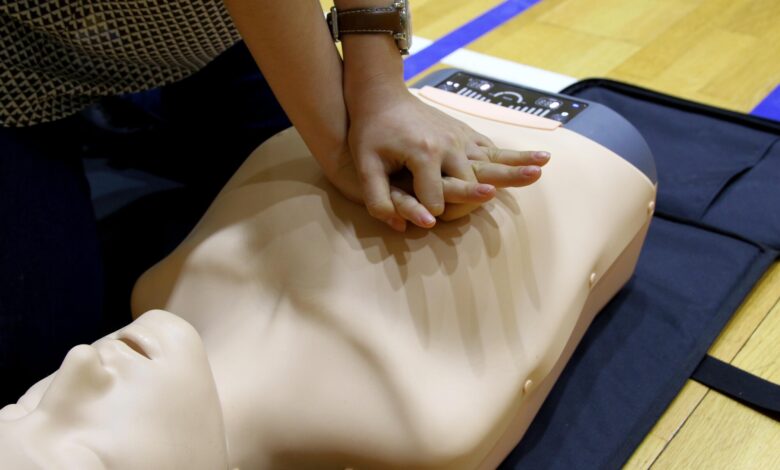
CPR, or cardiopulmonary resuscitation, is the most important skill in emergency life support. It combines chest compressions and rescue breaths. Chest compressions push blood through the heart and brain. Rescue breaths give oxygen to the lungs. For adults, place your hands in the center of the chest and press hard and fast, about 100-120 times per minute. For children, use one hand and press less deeply.
CPR should continue until the person starts breathing or emergency responders arrive. Many people learn CPR through practice classes. Programs like MyCPR NOW provide hands-on training for both adults and children.
Using Emergency Tools
Sometimes emergencies need extra help from tools. An automated external defibrillator (AED) can restart a heart in some cases. AEDs are found in public areas like schools, malls, and airports. The machine gives clear voice instructions.
First aid kits are also important for treating cuts, burns, and bleeding. Knowing how to use these tools correctly improves your ability to help in emergencies. Practicing with these tools can make you more confident and effective when a real situation occurs.
Helping With Choking and Breathing Problems
Choking is another emergency everyone should know how to handle. It happens when food or objects block the airway. Signs include trouble breathing, coughing, or turning blue. For adults, the Heimlich maneuver can remove the blockage. For infants, back slaps and chest thrusts are recommended.
Quick action is critical because blocked airways can cause serious damage in minutes. Knowing how to respond to breathing problems is an essential part of emergency life support.
Learn All About Emergency Life Support
Emergency life support knowledge is important for everyone. It teaches how to respond fast in dangerous situations. CPR, first aid, and using tools like AEDs can save lives.
Learning how to help with choking and breathing problems is also vital. Simple actions can make a big difference in emergencies.
Training and practice build confidence and skills. By knowing emergency life support, you can be ready to act and help others when it matters most.
Visit our blog for more!