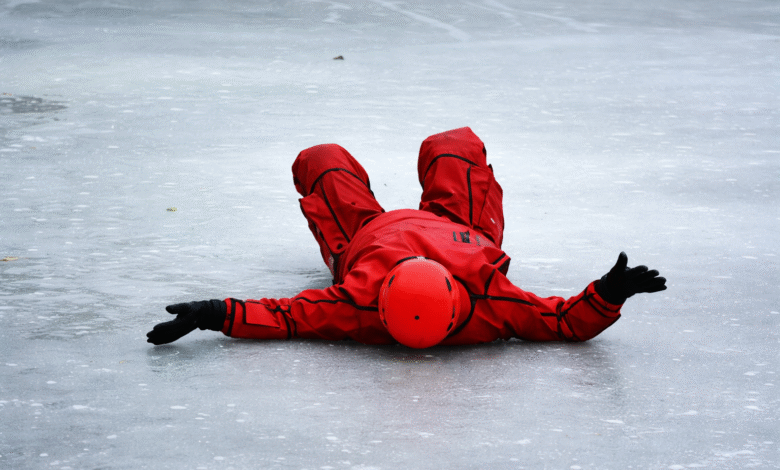
Icy pavements and accidents can happen fast and without warning. Many people walk daily without thinking about the risks under their feet. A thin layer of ice can turn a normal path into a danger zone.
Injuries from falls can be serious and long-lasting. It is important to know who may be responsible when harm occurs. Laws often depend on who controls and maintains the property.
The sections below explain key points about icy pavements and accidents and what to look for when determining liability.
Property Owners and Their Duty of Care
Property owners have a duty to keep their premises reasonably safe. This includes walkways, driveways, and entry areas. Ice buildup can create a known hazard.
Owners are expected to take action within a reasonable time. This may include clearing snow or applying salt. Failure to act can lead to legal responsibility.
The law looks at what a careful owner would do in the same situation. Weather conditions are also considered in each case. Clear neglect often strengthens a claim.
Responsibilities of Tenants and Occupants
Tenants may also have duties depending on their lease. Some agreements require tenants to maintain certain areas. This can include sidewalks or shared paths. If a tenant ignores icy conditions, they may share liability.
The exact responsibility depends on the contract terms. Courts often review who had control over the area. Shared spaces can make responsibility less clear. Both landlord and tenant may be involved. Each case depends on specific facts.
Local Government Liability
Local governments often manage public sidewalks and roads. They are expected to maintain safe conditions for the public. However, they may have more time to respond after a storm. Laws sometimes limit claims against government bodies.
Notice requirements may apply before filing a case. Delays in reporting can affect the outcome. Still, clear negligence can lead to liability. Regular maintenance records are often reviewed. Public safety remains a key concern.
Business Owners and Customer Safety
Business owners must protect customers entering their property. This includes parking lots and walkways. Ice should be cleared as soon as possible. Warning signs can help reduce risk. Failure to act can lead to injury claims.
A customer who may slip and fall on ice can argue negligence. Courts look at whether the owner acted quickly and properly. Busy areas may require more frequent checks. Customer safety is always a priority.
Weather Conditions and Reasonable Time
Weather plays a big role in these cases. Property owners are not expected to remove ice instantly during a storm. They are given a reasonable time after conditions improve. This allows for practical action. However, long delays can show negligence.
Courts often review weather reports. Timing of the incident is very important. Sudden freezing may affect expectations. Each case is judged on its own facts.
Role of Maintenance Companies
Some owners hire maintenance companies for snow and ice removal. These companies may share responsibility if they fail to do their job. Contracts often define their duties clearly. Poor service can lead to unsafe conditions.
Injured parties may include these companies in claims. Courts review service schedules and actions taken. Missed visits can be a key factor. Proper documentation is important. Shared liability is common in these cases.
Importance of Warning Signs
Warning signs can reduce risk but may not remove liability. Signs alert people to dangerous conditions. However, they do not replace proper maintenance. Owners still need to address the hazard.
Courts review if signs were visible and clear. Poor placement can weaken their value. Signs should be used with other safety steps. They are part of a broader safety plan. Relying only on signs is often not enough.
Comparative Fault in Injury Cases
In some cases, the injured person may share some fault. This is known as comparative fault. For example, running on an icy path may increase risk. Courts may reduce compensation based on shared responsibility. Each party’s actions are reviewed closely.
Evidence such as photos and witness reports is important. Even small details can affect the outcome. Responsibility is rarely one sided. Fair assessment is the goal.
Evidence Needed to Support a Claim
Strong evidence helps support any claim. Photos of the icy area are useful. Medical records show the extent of injury. Witness statements add more support. Weather reports can confirm conditions.
Maintenance logs may show neglect. Clear timelines are very helpful. The more details available, the stronger the case. Good records can make a big difference.
Insurance and Liability Coverage
Insurance often plays a role in these cases. Property owners may have liability coverage. This can help pay for injuries and damages. Insurance companies review each claim carefully.
They look at evidence and responsibility. Coverage limits can affect payouts. Claims may take time to resolve. Legal advice can help guide the process. Understanding coverage is important.
Legal Standards and Regional Differences
Laws can vary by location. Some areas have strict rules for property owners. Others may be more flexible. Local regulations often define duties clearly. Courts follow these rules closely.
Legal standards may change over time. It is important to understand local laws. Professional advice can help clarify details. Each region may handle cases differently.
Steps to Take After an Incident
Quick action after a fall is important. Seek medical attention right away. Report the incident to the property owner. Take photos of the scene if possible. Gather contact details of witnesses.
Keep records of all expenses. Avoid making early assumptions about fault. Legal advice can help protect rights. Early steps can affect the final outcome.
Know Who Legally Answers to Icy Pavements and Accidents
Icy pavements and accidents can lead to serious injuries and complex legal questions. Responsibility often depends on control, timing, and action taken. Property owners, tenants, and even public bodies may be involved.
Each case is unique and depends on clear facts. Evidence plays a key role in proving negligence. Understanding basic legal duties helps in making informed decisions. Taking quick and careful steps after an incident can protect rights.
Staying aware of risks also helps prevent harm. Knowing these points can make a real difference when dealing with icy conditions.
If you want to explore more topics, visit our blog page. We have more posts there!
Exploreclarion.