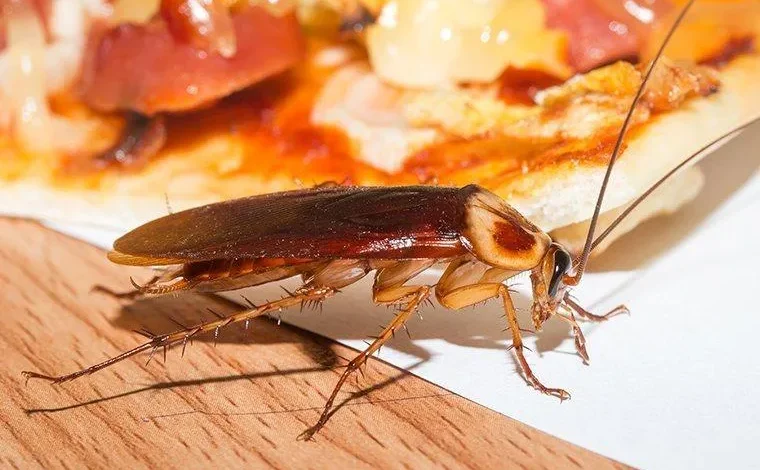
You walk into the kitchen half-asleep, switch on the light, and something darts across the floor. It’s quick, almost a blur, but you don’t need a second look. You already know what you saw.
That moment tends to stay with you. And the question that follows is always the same: was that just one or something more?
Seeing a cockroach at night is rarely random. In most cases, it is the first visible sign of a problem that has been developing quietly out of sight.
Why Cockroaches Come Out at Night
Cockroaches are naturally nocturnal. They avoid light and human activity, staying hidden during the day and becoming active once everything is quiet.
Nighttime gives them the conditions they prefer. There is less disturbance, fewer threats, and easier access to food and water. Pest control professionals often note that cockroach activity peaks a few hours after lights go out, which is why late-night sightings are so common.
If you are spotting one at 2 AM, it usually means it feels comfortable enough to come out into open areas. That alone suggests there is already some level of activity behind the scenes.
What Does One Cockroach Usually Indicate?
It is easy to assume you have seen a single stray insect. In reality, that is rarely the case.
Cockroaches spend most of their time hidden in cracks, crevices, and enclosed spaces. By the time one becomes visible, others are often already present nearby. Many pest control inspections reveal that visible sightings are only a small part of a larger infestation.
A commonly accepted rule in the industry is simple: where there is one, there are usually more. The reason you do not see them during the day is not that they are absent, but because they are staying out of sight.
Where Cockroaches Hide in Your Kitchen
Kitchens provide a wide range of hiding spots that are rarely checked during daily cleaning. Cockroaches are most likely to settle in areas that combine warmth, moisture, and limited disturbance.
Common hiding spots include:
- Behind refrigerators, ovens, and dishwashers
- Under sinks where moisture builds up
- Inside cupboards and pantry corners
- Behind splash backs and wall gaps
- Within drawer joints and cabinet hinges
- Inside wall cavities or around pipe entries
Because cockroaches can flatten their bodies, they can squeeze into very narrow gaps. This allows them to remain hidden even in kitchens that appear clean and well-maintained.
Why Kitchens Attract Cockroaches First
Even a clean kitchen can attract cockroaches. They are not dependent on visible dirt or waste.
What draws them in is access to basic survival needs:
- Moisture from sinks, pipes, or condensation
- Food residue, even in small amounts
- Warmth generated by appliances
- Dark, enclosed spaces for shelter
Research has shown that cockroaches can survive on minimal food sources, including crumbs, grease, or organic residue. This makes kitchens one of the most attractive areas in any home.
Why the Problem Can Escalate Quickly
Cockroach activity rarely stays limited to one or two insects. They reproduce quickly, and because they remain hidden, their numbers can grow without immediate detection.
Under stable indoor conditions, with consistent access to food and water, cockroaches can establish breeding cycles that continue unnoticed. By the time sightings become frequent, the infestation is often already established.
This is why early signs, such as a single late-night sighting, should not be ignored.
Why DIY Sprays Often Fail to Solve the Problem
The immediate reaction is usually to spray the cockroach you see. While this may eliminate that individual insect, it does not address the source of the problem.
Surface sprays typically:
- Do not reach hidden nesting areas
- Do not affect eggs concealed in cracks
- Do not stop activity inside walls or behind appliances
In some cases, spraying can push cockroaches deeper into hiding, making them harder to track and control. This is why many people continue to see cockroaches even after repeated use of household sprays.
When Professional Treatment Becomes Necessary
If sightings begin to repeat or appear in different areas of the home, it usually indicates a more established issue.
At this stage, Cockroach Pest Control is less about reacting to visible insects and more about identifying the source of the activity. Professional treatment focuses on locating nesting areas, understanding entry points, and breaking the breeding cycle.
Modern pest control methods often rely on targeted applications such as gel baits and crack-and-crevice treatments, which are designed to reach hidden areas without unnecessary exposure.
Practical Steps You Can Take Immediately
While long-term control may require professional intervention, there are practical steps that can reduce activity in the short term.
Focus on:
- Cleaning behind and under appliances
- Wiping down surfaces to remove grease and residue
- Fixing leaks and reducing moisture around sinks
- Storing food in sealed containers
- Taking out waste regularly, especially overnight
- Sealing visible gaps around pipes, walls, and cabinetry
It is also useful to observe patterns. If cockroaches are repeatedly seen in the same area, that location is often close to their hiding or breeding spot.
That One Sighting Is Usually a Warning
Seeing a cockroach at 2 AM may feel like a one-off moment, but it is rarely isolated. In most cases, it is an early signal that conditions inside the home are allowing cockroaches to survive and remain hidden.
They do not appear randomly. They follow food, water, and shelter. If one has made its way into your kitchen, those conditions are already present.
Paying attention to that first sighting can make a significant difference. Addressing the issue early is often far easier than dealing with a fully developed infestation later.
FAQs
- Does seeing one cockroach mean I have an infestation?
In many cases, yes. Cockroaches stay hidden, so one visible insect often indicates others are nearby. - Why do cockroaches appear mostly at night?
They are nocturnal and avoid light and human activity, which is why they become active in dark, quiet conditions. - Where do cockroaches stay during the day?
They hide in warm, dark areas such as behind appliances, inside cupboards, and within wall cavities. - Can a clean kitchen still attract cockroaches?
Yes. Even small amounts of moisture or food residue are enough to support them. - When should I consider professional pest control?
If sightings become frequent or spread across different areas, it usually indicates a larger issue that requires targeted treatment.